How Dangerous Is a Wood Chipper and How to Stay Safe?
A wood chipper is one of the more dangerous pieces of yard equipment, and yes, it can kill you. The main risk is being pulled toward the blades by a branch, a sleeve or a glove, and that can happen in a split second. With the right clothing, a firm feeding routine and a machine that has an emergency stop and safety shutoffs, you can lower the risk a lot.
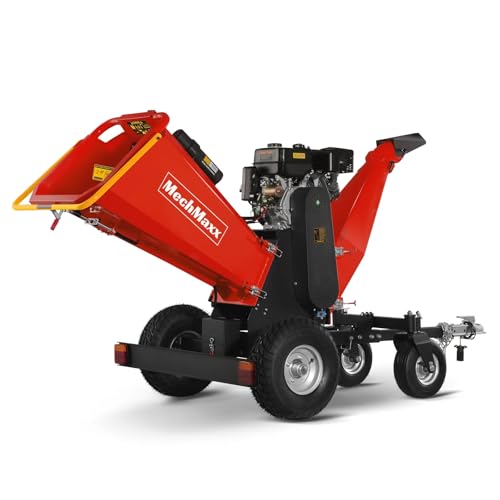 MechMaxx B150Best overall
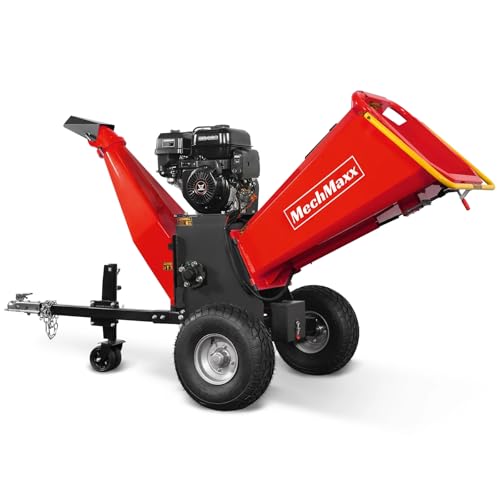 MechMaxx P4206Published 20:1 ratio at 6 in
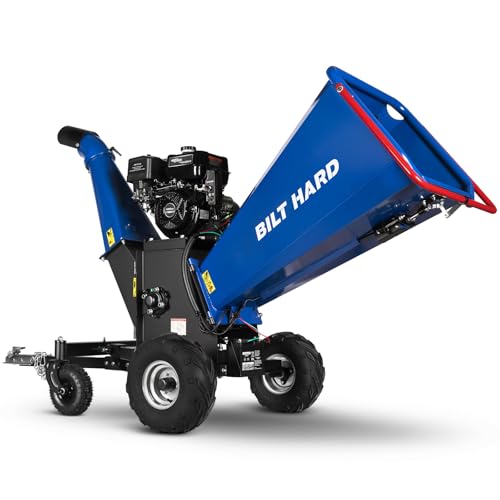 BILT HARD TL-TRA-0423-N2-0709Towable with 2-in hitch
Why wood chippers are so dangerous
A chipper is built to grab wood and pull it in with force. The feed rollers or the spinning drum do this on purpose, so the machine does not wait for you to let go. If a branch tugs your clothing, glove or hand, the machine treats it like more wood.
Most of the serious injuries come from that pull-in effect. Safety agencies and extension services describe chipper accidents as serious or fatal, often involving amputations. The speed is the problem. A person usually cannot react or pull free once something is caught.
There are also less obvious dangers. Chips and debris can fly out. The engine or motor is loud. Gas models can burn, and electric ones add shock risks. Each is smaller than the pull-in danger, but together they are why a chipper deserves full attention every time.
Can a wood chipper kill you, and how often does it happen?
Yes. Workplace safety guidance for chippers warns of fatal injuries, not just cuts and broken bones. Fatal cases are rare compared with everyday yard tool injuries, but the outcome when something goes wrong is severe.
We do not have a reliable yearly accident count to give you, and we would rather not guess at a number. If you want current figures, check your national workplace safety agency or your local extension service. They publish injury and fatality data and update it regularly.
What matters for a home user is this: the risk is mostly about how the machine is fed and what you wear, and both are in your control.
The main hazards at a glance
Knowing where the danger comes from makes it easier to plan around it.
- Pull-in: branches, loose sleeves, gloves, jewelry, cords and even hair can be dragged toward the blades.
- Kickback and whipping: a branch can jerk, twist or swing as it is fed, hitting your face or body.
- Flying debris: chips and small chunks can exit the chute or the feed opening at speed.
- Noise: engines and blades are loud enough to damage hearing over time.
- Hands near the opening: reaching in to clear a jam is a common way people get hurt.
- Fuel and heat (gas models): spilled fuel, hot engines and exhaust fumes.
- Electricity (electric models): damaged cords, wet ground and unsafe extension cords.
What to wear and how to set up
Dress so that nothing can catch. Wear snug sleeves, long pants and sturdy boots. Skip loose jackets, scarves, dangling jewelry and drawstrings. Tie back long hair. Some safety guidance says to avoid gloves near the feed opening because they can get caught, so follow your manual on this and keep cuffs tight if you do wear them.
Wear safety glasses or a face shield, plus hearing protection. Chippers are loud, and flying chips are a real eye risk. A hard hat is smart if you are working under trees or branches.
Set the machine on firm, level ground with plenty of room around it. Keep the area clear of tripping hazards, and keep children, pets and bystanders well away. Put the discharge chute where chips will not hit anyone. For gas models, work outdoors with good airflow and never refuel a hot engine. For electric models, use a properly rated outdoor cord, keep connections dry and stay off wet ground.
How to feed a chipper safely
Slow, steady habits prevent most trouble. Follow this routine each time.
- Read the manual first and know where the emergency stop is before you start the engine or motor.
- Check that guards, chutes and covers are closed and locked in place.
- Sort the branches. Keep each one under the maximum diameter, and leave margin for dry or hard wood.
- Feed the cut end first, with the butt end leading, and stand to the side of the feed opening, not directly behind the branch.
- Let go as soon as the machine takes the branch. Never push by hand deep into the opening. Use a longer branch or a stick as a pusher if needed.
- Do not feed rocks, metal, wire or dirty roots. They can damage the blades and throw debris.
- Shut the machine off and wait until everything stops before clearing a jam or opening any chute.
Safety features worth looking for
Features will not make careless use safe, but they add a useful layer of protection. When you compare models, look for an emergency stop, a shutoff that cuts power when a chute is opened, and clear branch-size limits. Our best wood chipper page puts these details on one spec sheet so you can compare them next to capacity, weight and warranty.
The table below uses published specifications and listing text for four models from that page. It is a summary of what the makers say, not a test result.
Branch size matters for safety, too. A chipper that is too small for your limbs will stall and jam, and that tempts people to reach in. If you cut thick limbs, a larger machine may be the safer choice. If you only trim small prunings, a lighter electric model can be enough. Our wood chipper comparison covers how to match capacity to what you cut.
| Model | Power | Max branch | Safety features listed |
|---|---|---|---|
| MechMaxx B150 | Gas, 420cc | 6 in | Safety shutoff; emergency stop switch; engine shuts down when feeding or discharge chute is open |
| MechMaxx P4206 | Gas, 420cc | 6 in | Safety shutoff; emergency stop button next to the feeding port |
| BILT HARD 6in 420cc | Gas, 420cc | 6 in | Safety shutoff; emergency stop bar |
| Yeryork Electric | Electric, 15A motor | 1.8 in | Safety shutoff; rear knob interlock; power cut on high current or heat; dual chute |
Maintenance and shutdown habits
Many injuries happen when someone is cleaning or adjusting a machine that is not fully off. Turn it off, wait for the blades to stop and disconnect power before you touch anything near the blades. For gas models, remove the spark plug cap if the manual advises it. For electric models, unplug the unit.
Keep blades sharp and check them on the schedule in your manual. Dull blades can cause jams and rough feeding. Check belts, bolts and guards for wear before each session. Never remove or bypass a safety switch, even if it seems to get in the way.
Be careful when moving a larger chipper too. Heavier gas models, such as the 441 lb unit listed above, need correct towing gear and a secure hitch. Make sure the machine is chocked or braked when parked, especially on a slope.
Frequently asked questions
Is an electric chipper safer than a gas one?
Not automatically. Smaller electric models handle thinner branches, which can mean fewer jams, but they still have fast-moving blades. Pull-in and flying debris risks apply to both, so the same clothing and feeding rules apply.
Should I wear gloves when using a wood chipper?
Opinions in safety guidance lean toward avoiding loose gloves near the feed opening because they can catch. Check your manual, and keep any clothing close-fitting with no loose cuffs.
What should I do if a branch jams the chipper?
Hit the emergency stop or shut the machine off, wait for all parts to stop moving and disconnect power. Only then clear the jam, and do not reach into the opening while anything is still turning.
Can kids or pets be nearby while I chip?
No. Keep them well away from the work area, the feed opening and the discharge chute. Debris can fly out, and a distracted operator is more likely to make a mistake.
Can I chip wet or green wood?
Check your manual. Some makers list materials to avoid, such as frozen branches, old roots or bamboo, because they can clog the machine or damage blades. Clogs lead to risky jam-clearing, so follow the limits.