How Big a Lathe Do You Need for Making Bowls?
For most hobby bowls, a lathe with a 12-inch swing is a solid choice, and a 10-inch swing handles small to medium bowls. Swing is the largest diameter that can spin over the bed, so it sets the biggest bowl you can turn. If you want bowls wider than about 12 inches, look for more swing or an outboard turning option, and check motor power and weight too.
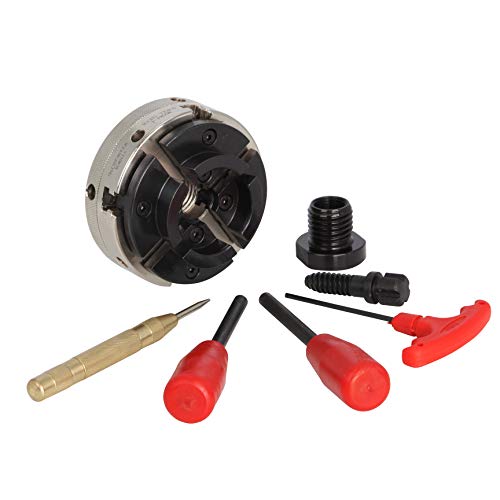 VINWOX SCR4-4Best overall
 NNBWKIXI NNBWKIXI0611Largest chuck body
 BMTURNING SCK-3/4RSmallest body, reversible jaws
What swing means and why it sets your bowl size
Swing is the number most lathe listings lead with. It is twice the distance from the spindle center to the bed, which makes it the widest disc the lathe can spin over the bed. A 12-inch swing means a 12-inch disc just clears the bed.
In real use, your bowl will be a little smaller than the swing. You need room for the tool rest, for your gouge, and for the chuck and faceplate behind the blank. A good habit is to leave an inch or so of clearance, so a 12-inch swing is comfortable for bowls up to roughly 10 or 11 inches across.
Bowls also depend on swing more than on bed length. Distance between centers matters for spindles, table legs and pens. A bowl sits on the headstock end of the lathe, so a short bed is fine as long as the swing is big enough.
Matching lathe size to bowl size
The table below gives general guidance, not product specifications. Use it to narrow your search, then check the published specs for any lathe you are considering.
If you are unsure, buy for the bowls you expect to make in your first year or two. Many turners find that mid-sized bowls become their favorite, and an 8-inch to 10-inch bowl is easy to turn, sand and finish on a mid-sized lathe.
| Bowl diameter | Swing to look for | Good to know |
|---|---|---|
| Up to 6 inches | 8 to 10 inches | A mini or midi lathe works well for small bowls and dishes. |
| 6 to 10 inches | 10 to 12 inches | Covers most everyday bowls and is a common first lathe size. |
| 10 to 12 inches | 12 to 14 inches | Better with a heavier frame and a variable speed motor. |
| 12 to 16 inches | 14 to 18 inches | Look for a swivel head or outboard turning for extra room. |
| Over 16 inches | 18 inches or more | Needs a heavy, stable machine and a strong motor. |
Other specs that matter as much as swing
Swing gets the attention, but a big swing on a light, underpowered lathe is frustrating. Wet, thick blanks put a lot of load on the machine, and they can bog down a weak motor or make a light frame shake.
When you compare models, check these points:
- Motor power. More power helps when you take heavy cuts on large or wet blanks. Check the published horsepower or watt rating for each model.
- Weight and base. A heavier lathe absorbs vibration. Cast iron beds and wide stands help, and you can add sandbags or weight to a stand.
- Speed range. Variable speed lets you start slow with an out-of-balance blank. Check that the lowest speed is slow enough for your largest bowls.
- Spindle thread and taper. These decide which chucks and faceplates fit. Look for a common thread size so accessories are easy to find.
- Headstock options. A swivel or sliding headstock, or an outboard turning side, lets you turn bigger bowls than the swing alone allows.
- Tool rest and banjo. A sturdy banjo and a rest that reaches into a bowl make hollowing much easier.
Chucks and accessories for bowl work
Bowls need a secure way to hold the blank. Most turners use a scroll chuck with jaws that grip a recess or a tenon on the bottom of the bowl. The chuck has to match your spindle thread, and its size should suit the bowls you plan to make.
Our guide to the best wood lathe chuck for bowl turning compares options side by side, so you can see which jaw sizes and thread fits work with the lathe you are considering. It helps to read it before you pick a lathe, because a lathe with an unusual spindle thread can limit your chuck choices.
If you are working through lathe options, it also pays to look at the chuck comparison early. A chuck with a good grip lets you turn a bowl with confidence, which is more important on bigger blanks.
Safety when turning bowls
Bowl blanks are heavy, uneven and spin fast, so the size of your lathe has to match how you work. A bigger bowl is not just harder to turn. It is also more dangerous if something goes wrong.
Follow these basics every time:
- Wear a full face shield, not just safety glasses. A cracked or loose blank can come apart at speed.
- Wear hearing protection if your lathe or dust collector is loud, and use a dust mask or respirator when sanding or turning dry wood.
- Start at the lowest speed and raise it slowly. Larger diameters need slower speeds, and an out-of-balance blank will tell you when to stop.
- Stand out of the line of the spinning blank when you switch the lathe on.
- Keep loose sleeves, jewelry and long hair away from the spinning work.
- Check that the tool rest and banjo are locked down before you start the lathe.
- Unplug the lathe before you change belts, adjust the motor or work on wiring.
How to pick your size in four steps
If you are still undecided, this simple process keeps the choice practical.
- Decide the biggest bowl you want to turn in the next year or two.
- Add an inch or two to that number to get your minimum swing.
- Check the motor power, weight and speed range of the lathes that meet that swing.
- Confirm the spindle thread and check that suitable chucks and faceplates are available.
Frequently asked questions
Can I turn a bowl on a mini lathe?
Yes, small bowls and dishes are possible on a mini or midi lathe. Keep the blanks small and light, take gentle cuts, and check the lathe's published swing before you start.
Does bed length matter for bowls?
Not much. Bowls sit at the headstock end, so swing and motor matter more than distance between centers. A longer bed only helps if you also plan to turn spindles.
Is a bigger lathe always better?
Not always. A large lathe takes more space and may be harder to move, and small bowls can feel awkward on one. Pick a size that fits your shop and the bowls you actually plan to make.
What is outboard turning?
Outboard turning lets you mount the work on the outside end of the spindle, away from the bed. That gives room for a bowl wider than the lathe's regular swing, but it needs a stable stand and extra care.