Heavy Duty vs Regular Gate Latch: What Is the Difference?
A heavy duty gate latch is built from thicker steel or stainless steel, with a rust-resistant finish and sturdier fasteners. A regular latch is lighter and made for gates that see little wind, weight or rough use. If your gate is heavy, exposed to weather, or has to hold back pets or livestock, go heavy duty. For a light garden gate that stays calm, a regular latch is usually enough.
 WEKIS MJZJ-L-9-BLBest overall
 HILLMASTER 666Gravity latch for any swing
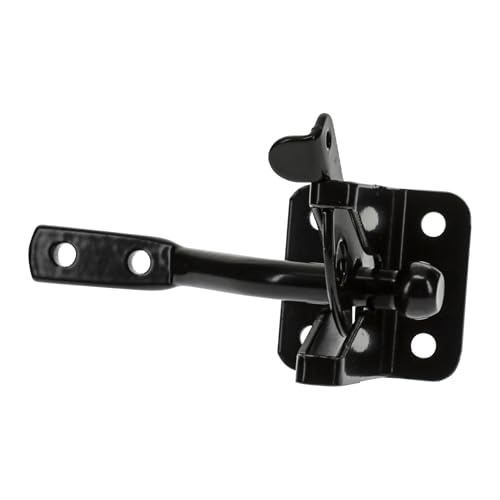 National Hardware N184-861Outswing farm gate pick
The short version: material, finish and mounting
Most of the difference comes down to three things: what the latch is made of, how it is protected from rust, and how firmly it attaches to the gate and post. Heavy duty latches use steel or stainless steel, a coating such as powder coat, zinc plating or galvanizing, and screws or bolts that suit a heavy gate. Regular latches often use thinner or lighter metal, and some use plastic parts.
There is no official standard that defines "heavy duty" for gate latches. The label is a marketing term, so it helps to look at the specifications instead of the name. Material, finish, size, weight and what the box includes tell you much more than the word on the package.
Our best heavy duty gate latch page puts those specs side by side, so you can compare models without reading every listing.
Heavy duty vs regular at a glance
The table below shows the general pattern. Individual products vary, so treat it as a guide to what to look for, not a rule.
| Feature | Regular latch | Heavy duty latch |
|---|---|---|
| Body material | Light steel, zinc alloy or plastic | Steel or stainless steel |
| Rust protection | Basic plating or paint | Powder coat, zinc plating, galvanizing or stainless |
| Resistance to bending | Can flex under force or wind | Stiffer, holds its shape under load |
| Self-latching | Sometimes | Common, often with fingertip release |
| Padlock option | Sometimes | Common |
| Best for | Light garden gates, calm spots | Heavy gates, wind, livestock, large dogs, frequent use |
What the specs look like in real products
Published numbers show how much heavy duty latches differ from each other. The HILLMASTER 666 gravity latch is described as heavy gauge steel with a black powder coat and zinc plating. It is 4 inches long, padlockable and works on inward and outward swinging gates. The listing says it handles a gap of up to 1-9/16 inches between gate and post.
The HILLMASTER 0081 farm latch is a two-pack in galvanized steel, 7.6 inches long, made for round tube gates from 1-5/8 to 2 inches in diameter. It opens in both directions and can be padlocked.
The National Hardware N184-861 is a self-latching steel latch for outswing gates only, with black plating and a WeatherGuard coating. It weighs 0.35 lb and lists a 99 year warranty. The Alise MS9500-B is a 4 inch stainless steel latch weighing 0.22 lb, so a light weight does not rule out a tough material.
Weight alone is not a quality score. A full kit like the WEKIS anti sag gate kit weighs 9.7 lb because it includes brackets, bars and hinges, not just a latch.
When a regular latch is enough
A regular latch works well on a small, light gate in a sheltered spot. Think of a short garden gate, a side gate that rarely gets pushed or slammed, or a gate that stays closed most of the time. If nothing leans on it and the weather is mild, a lighter latch will do the job.
Even then, you still want a latch that matches your gate type and swing direction. A mismatched latch fails no matter how strong it is.
When to step up to heavy duty
Heavy duty is worth it when something puts steady force on the latch. That might be wind, a gate that gets slammed, or an animal that pushes or jumps on it. Gates that are used many times a day also wear out lighter hardware sooner.
Pick a heavy duty latch if any of these apply:
- The gate is wide, tall or made of heavy wood or metal.
- It faces wind, rain, snow or salty air.
- It keeps in livestock, horses or a large dog.
- It guards a pool, a workshop or a shed that must stay shut.
- You want a padlock option for extra security.
How to choose and install the right one
Start with your gate. Check which way it swings, what it is made of, and how big the gap is between the gate and post. Round tube gates need a latch sized for the tube. Wood and vinyl gates use a different style. Some latches work on gates that swing both ways, while others suit outswing gates only.
Next, think about who will use it. If kids or pets matter, see our best gate latch for dogs page. If people need to open the gate from both sides, our best gate latch to open from both sides page covers that.
A strong latch still needs a gate that hangs straight. If the gate sags, the latch will not line up and will wear out fast. Check our best gate hinges heavy duty page if your hinges are part of the problem. For a wider look at all types, see best gate latch.
Follow these steps when you install:
- Close the gate and mark where the latch and strike will sit.
- Hold the latch in place and check that the gate closes on its own with no force.
- Drill pilot holes so the wood does not split.
- Use the screws that came with the latch, or swap in hard screws for metal gates if the maker advises it.
- Tighten everything and test the latch several times before you walk away.
Safety notes
Wear safety glasses when you drill, especially into metal, because chips can fly. Use hearing protection if you run a drill or saw for a long time. If you work on a tall gate or a gate at the top of steps, use a stable ladder or step stool and keep your weight centered.
If you use a corded drill outdoors, keep the cord dry and plug it into a protected outlet. Be careful with pinch points on heavy gates, and keep fingers clear of the gap between gate and post while testing the latch. Never leave a gate that guards a pool or holds animals with a latch you have not tested.
Frequently asked questions
Is stainless steel always better than coated steel?
Not always. Stainless steel resists rust as the material itself, while coated steel depends on its finish staying intact. A thick powder coat or galvanized layer can also last a long time, so check the finish and the material together.
Does a heavier latch mean a stronger latch?
Not by itself. More weight can mean more steel, but design, material and mounting matter just as much. Makers do not always publish weight, so compare material and finish as well.
Can I use a regular latch on a heavy gate if I add a padlock?
A padlock adds security, but it does not make up for a weak latch body. If the latch bends or the screws pull out, the padlock will not help. Choose a latch rated for your gate type and size.
Do I need a different latch for a gate that swings both ways?
Often yes. Some latches work on inward and outward gates, while others are made for outswing gates only. Check the swing direction listed for the latch before you buy.