Hardware for Honey Oak Cabinets vs Maple Cabinets: What Differs?
The main difference is finish, not shape or size. Honey oak is warm and orange-brown, so warm metals like Honey Bronze, antique brass and oil-rubbed bronze blend with it. Maple is paler and more neutral, so it accepts a wider range of finishes, and the spacing and sizing rules are the same for both woods.
 Luomorgo Leads our spec ranking
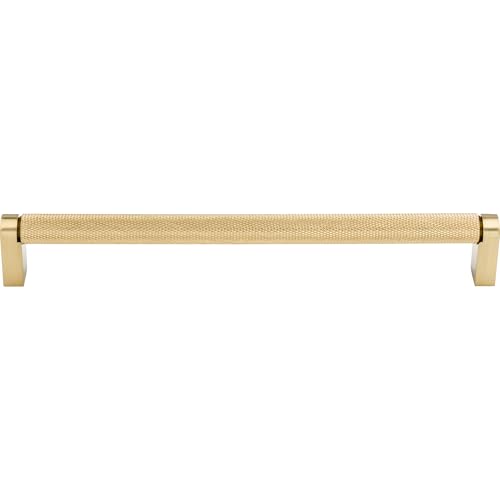 Top Knobs M2604Heaviest pull, warm bronze
 Bmgop BSS0038Most knobs per pack
Why the wood changes the finish
Hardware is a small accent, but it sits against a lot of wood. Honey oak has strong orange-brown tones and a visible, open grain. Maple has a pale, creamy tone and a fine, smooth grain. The same pull can look calm on one and out of place on the other.
On honey oak, the goal is usually to stay in the same warm family or to add a calm, cooler contrast. On maple, you have more freedom because the wood is a quieter backdrop. Warm metals look rich against it, and cooler metals look crisp.
Finish choices side by side
Our honey oak guide leans on one idea: finish matters more than shape. The table below compares how common finishes tend to read on each wood. These are general design tendencies, not measurements, so hold a sample against your own door before you buy a full set.
Bright chrome and stark black are the two finishes to be careful with on honey oak, because they can look harsh next to the orange-brown wood. Maple handles them more easily, though black can still feel heavy on a pale door.
| Finish | On honey oak | On maple |
|---|---|---|
| Honey Bronze | Blends with the warm tone | Adds a deeper, richer accent |
| Antique or warm brass | Blends and feels traditional | Warm accent, good contrast |
| Oil-rubbed bronze | Blends with a darker note | Clear, grounded contrast |
| Brushed nickel | Cooler contrast that stays calm | Clean, neutral look |
| Bright chrome | Can look harsh | Crisp, modern look |
| Stark black | Can look harsh | Strong contrast on pale wood |
Honey oak vs oak, golden oak and white oak
Honey oak is a stain color applied to oak, so most advice for oak cabinets in general applies to it. Golden oak is a very close cousin. Both are warm, yellow-orange stains, and the same warm finishes work for each. Stains and aging vary, so compare against your actual doors.
White oak is a different case. It is a species, and it usually looks paler and less orange than honey oak. That gives it more range, so cooler finishes like brushed nickel can work alongside warm ones. Honey oak asks for warmer metals to look balanced.
Spacing and size work the same on both
Pulls attach with two screws, and the distance between them is the center-to-center spacing. This depends on how your doors and drawers were drilled, not on the wood. Honey oak and maple use the same measuring steps.
The products on our honey oak page show how much spacing varies. The Top Knobs Reeded pull in Honey Bronze has 5 in spacing, the Amwell has 8 13/16 in, and another Reeded pull has 12 in. Match your holes, or plan to fill and redrill.
- Measure the distance between the two screw holes on an existing pull.
- Check that the pull length suits the door or drawer width.
- Count every door and drawer, then add a spare or two.
- Confirm that mounting screws are included, or buy the right length.
Knobs, pulls and pack counts
Our honey oak comparison includes small natural wood knobs. They can blend into honey oak, which looks calm but gives little contrast. On maple, natural wood may read a little warmer than the door. Wood color also varies with grain and finish, so check a sample.
Pack sizes differ a lot. The Top Knobs pulls come one per pack, while the wood knob sets include 6, 8 or 16 pieces with screws. None of the products on that page publish a formal finish durability rating. Top Knobs says its finishes withstand daily use and offers a lifetime warranty, while the wood knob makers state neither a rating nor a warranty.
If you are picking from specifications, see our best hardware for honey oak cabinets comparison for finish, spacing, weight, pack size and warranty on one sheet.
If you plan to paint maple
Maple is a popular choice for painted cabinets because of its smooth grain. If your maple will be painted white, the wood tone no longer matters, and you are choosing hardware for a painted surface. Our page on the best hardware for white kitchen cabinets covers that case.
If you keep the natural maple, treat it as a pale, warm-neutral wood and choose the finish for the look you want rather than to avoid a clash.
Installing safely
Swapping pulls is a simple job, but a few precautions help. If you need to drill new holes, wear safety glasses to protect your eyes from chips and dust. Use a drill stop or a piece of tape on the bit so you do not drill through the door front.
Use a stable step stool for upper cabinets and keep both feet on it. Tighten screws by hand at the end so you do not strip the hole or crack the wood. If you fill old holes, let the filler dry fully before redrilling.
Frequently asked questions
Can I use the same pulls on both honey oak and maple?
Yes, as long as the finish looks right on each. Honey Bronze or brass works on both, though it reads richer on maple. Chrome and black suit maple more easily than honey oak.
Should hardware be lighter or darker than the cabinet?
Either can work. Matching warm tones blends in, while a cooler or darker finish adds contrast. On honey oak, contrast that stays calm, like brushed nickel, looks better than very bright or stark options.
What if my old holes do not match new pulls?
Choose pulls with the same center-to-center spacing, or fill the old holes and redrill. A knob avoids the problem, because it needs only one hole and can cover a single existing hole.
Does cabinet age affect the hardware choice?
It can. Wood tone shifts over time, and honey oak often looks warmer or darker with age. Compare hardware against the cabinet as it looks today, in daylight, not against a photo or a memory.