Garage Shelving vs Cabinets: Which Should You Choose?
Choose shelving if you store heavy bins, tires and bulky gear you reach for often. Choose cabinets if you want things hidden, dust-free and lockable, such as chemicals, small tools and paint. Many garages work best with both: shelving for the heavy stuff and a few cabinets for what needs protection.
 CCIOBTE storage shelvesBest overall
 SISESOL YSZXEHHJTallest at 79 in
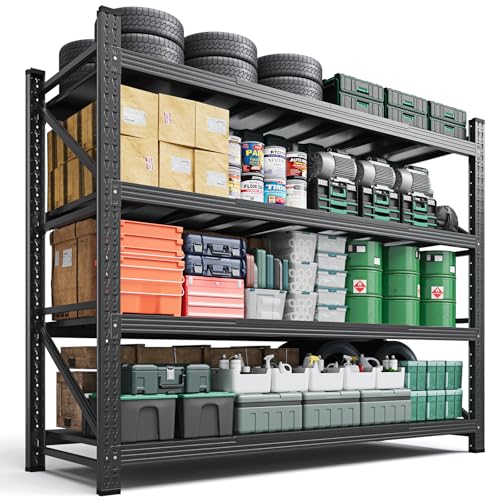 Letaya 1Steel panel shelf surface
The short comparison
Shelving and cabinets solve different problems. Shelving is about capacity and quick access. Cabinets are about protection and a clean look. Neither wins for every garage, so it helps to match each one to what you actually store.
Here is how they compare on the points that matter most in a garage.
| Factor | Open shelving | Cabinets |
|---|---|---|
| Heavy, bulky items | Strong fit, especially steel units with bracing | Depends on the cabinet and how it is mounted |
| Visibility | You see everything at a glance | Contents are hidden behind doors or drawers |
| Dust and dirt | Items collect dust | Doors keep contents cleaner |
| Security and child safety | Everything is within reach | Many can be locked |
| Look | Busy if bins are mismatched | Neat and uniform |
| Flexibility | Shelves usually adjust and units can connect | Interiors are often more fixed |
| Material use | Simple frame and shelves | More parts and more design, so cost tends to be higher |
When shelving is the better choice
Shelving is the practical pick when your storage is mostly bins, tires, lawn gear and bulk goods. You can see what you have, grab it fast and rearrange without tools in many cases. It also handles awkward shapes that do not fit a cabinet interior.
Capacity is where good steel shelving stands out. For example, the CCIOBTE 4-Tier unit on our best garage shelving page lists 6000 lb total capacity and 1500 lb per shelf. It measures 79 in wide, 24 in deep and 73 in tall, and the shelves are adjustable. It also lists lateral bracing and a rust-resistant powder coating.
When you compare shelving units, check these points:
- Capacity per shelf, not just total capacity, because the total is shared across every shelf.
- Bracing. Lateral bars and diagonal braces limit sway.
- A rust-resistant finish, since garages see moisture and oil.
- Shelf surface. Wire is open and light, while solid steel panels hold small boxes better.
- Weight and assembly. The SISESOL unit on that page lists 100 lb, so plan on a helper.
When cabinets are the better choice
Cabinets earn their place when contents should stay clean, hidden or out of reach. Paint, fertilizer, automotive fluids, power tool batteries and small hardware all do better behind a door. Doors keep dust off, and a lock keeps curious kids and visitors out.
Cabinets also make the garage look finished. If your garage is part of your living space, or you simply dislike seeing clutter, closed storage helps a lot. The trade-off is flexibility. Interiors are usually less adjustable, and a cabinet is not the place for a tire or a wide storage tote.
If you lean toward closed storage, our best garage storage cabinets page lets you compare options side by side. Check the cabinet's rated load, how it mounts and what the doors and finish are made of before you decide.
Should garage cabinets be off the floor?
Raising cabinets off the floor is a good idea in most garages. Concrete floors can get damp, and spills, melting snow from cars and the occasional water leak all end up at floor level. A cabinet bottom that sits directly on the slab can pick up moisture and start to swell or rust.
There are two common ways to do it. Floor-standing cabinets with adjustable feet or legs lift the base slightly and let you level the unit on an uneven slab. Wall-mounted cabinets hang higher and leave the floor clear, which makes sweeping and mopping easier and keeps things out of reach of small spills.
Wall-mounted units need solid mounting. Fasten them into studs or use anchors rated for the load and the wall type, and follow the maker's instructions. Do not trust drywall alone to carry a loaded cabinet.
How to decide in five steps
If you are still unsure, work through this order.
- List what you store and sort it into heavy and bulky, small and loose, and hazardous or valuable.
- Put heavy and bulky items on shelving. Look at per-shelf capacity, bracing and finish.
- Put hazardous, small or valuable items in cabinets that close and, where needed, lock.
- Measure your wall space, door swing, vehicle clearance and ceiling height before you buy anything.
- Leave room to grow. Adjustable shelves and connectable frames make it easier to add storage later.
Using both together
A mixed setup is common and often the most sensible. Tall steel shelving along one wall holds the bins and seasonal gear. A short run of cabinets near the workbench holds tools, chemicals and supplies you want protected.
This split also helps with weight. Heavy items sit on a frame built for load, so you do not push cabinet shelves or wall fasteners beyond their rating. It keeps everyday items easy to reach and the risky ones secured.
For the shelving half, look for units that list both total and per-shelf ratings. A few models on our shelving page, such as the Letaya unit with its steel panel shelves, list a solid shelf surface, which suits small boxes better than open wire.
Safety notes
Garage storage involves weight, height and sometimes chemicals, so a few precautions matter.
- Anchor tall shelving and tall cabinets to wall studs where the instructions allow. A loaded unit can tip.
- Store the heaviest items on lower shelves and never exceed the rated capacity of any shelf.
- Use a stable step stool or ladder to reach high shelves, and never climb on the shelving.
- Keep flammable liquids, paint and fuel in their original containers, away from heat sources and water heaters, and follow label directions.
- Wear safety glasses when assembling or drilling, and hearing protection with power tools.
- Wear gloves when handling sheet steel edges, since cut edges can be sharp.
Frequently asked questions
Are cabinets or shelves better for a small garage?
Shelving often uses space more efficiently because you can choose narrow, tall units and see everything at once. Wall-mounted cabinets can also save floor space. Measure vehicle doors and walking paths first.
Can I mix wire and solid shelves?
Yes, if the shelving is adjustable. Use solid panels for small boxes and loose parts, and open wire for bins and bulky items where airflow or visibility helps.
Do cabinets protect against moisture?
Doors keep out dust and splashes, but they do not make a damp garage dry. Lift the base off the floor and choose a finish suited to moisture.
Why do people argue about shelving versus cabinets?
Because they value different things. Some want speed and visibility, others want a clean look and security. The right choice depends on what you store and how often you reach for it.