Electrical Tape vs Duct Tape: Which to Use
Use electrical tape for anything involving wires, splices, or live conductors, and use duct tape for general holding, patching, and bundling. Vinyl (PVC) electrical tape rated for 600V can act as primary insulation on splices, while duct tape is not made or rated for that job. Never rely on duct tape to cover live wiring.
 Scotch 6132-BA-10-1-10Best overall
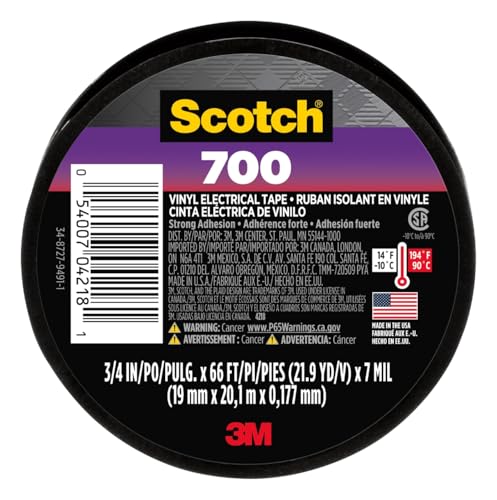 Scotch 700Single-roll Scotch pick
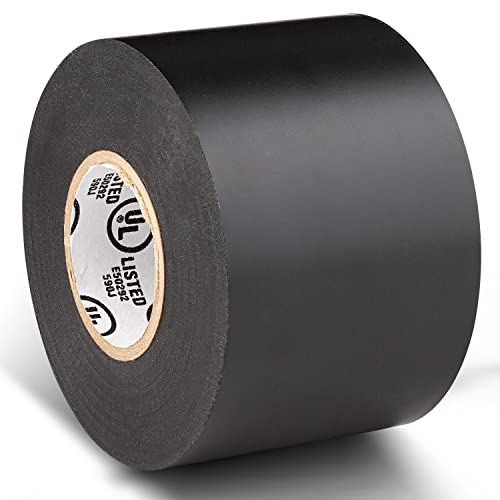 Tapix ET266BWidest tape in the lineup
The short version: different tapes for different jobs
Both tapes are sticky and come on a roll, so they look like they should be interchangeable. They are built for very different purposes. Electrical tape is a thin, stretchy plastic film made to insulate and protect wiring. Duct tape is a thick, cloth-backed tape made to grip, seal, and hold things together.
If the job touches a wire carrying current, reach for electrical tape. If the job is a torn cushion, a loose hose bundle, or a cracked box, duct tape is the better fit. The table below shows how they compare.
| Feature | Electrical tape (vinyl) | Duct tape |
|---|---|---|
| Main purpose | Insulating and protecting wiring | General holding, sealing, and repairs |
| Backing | Thin PVC film | Cloth mesh with a plastic coating |
| Stretch | Stretches to hug curves and splices | Little stretch, stiffer |
| Voltage rating | Often 600V on quality vinyl tapes | Not rated for electrical insulation |
| Flame behavior | Many vinyl tapes are flame retardant | Not made to resist flame |
| Heat and cold | Published temperature ranges on good products | Adhesive can soften or dry out |
| Best use | Wire splices, color coding, cable jackets | Patches, bundling, temporary fixes |
Why duct tape is a poor choice for wires
Duct tape has no voltage rating. Its cloth layer can hold moisture, and its adhesive is designed for grip, not for staying put around a hot or cold conductor. Over time the adhesive can ooze, slide, or let go, which can leave bare copper exposed.
Duct tape is also bulky. It does not stretch tightly around a small splice the way vinyl does, so you often end up with gaps and loose edges. Fabric and many general-purpose adhesives are also not made to resist flame.
This matters for safety, not just neatness. Bare or poorly covered conductors can cause shocks, shorts, and fires. Our best electrical tape page makes the same point: duct tape and foil tape are not rated for insulating live conductors.
What makes electrical tape right for the job
Good electrical tape is made from PVC vinyl with a rubber-based adhesive. The film is thin and elastic, so it stretches and conforms to irregular shapes, then keeps a snug hold. That stretch is what lets you build smooth, overlapping layers on a splice.
The published specs are what separate real electrical tape from look-alikes. For example, the Scotch Super 33+ on our comparison page lists a 600V rating, a 7 mil thickness, UL listing, and an operating range of 0°F to 220°F. Its listing says it is made to provide primary insulation for splices up to 600V. Those are the kinds of numbers you should look for on any tape you plan to use around wiring.
- Voltage rating: 600V is the common standard for building wire and most splices.
- Temperature range: check both the high and low ends if the tape will live in a hot panel or a cold outdoor box.
- UL listing: shows third-party certification, and inspectors on commercial jobs often expect it.
- Flame retardant: a helpful extra layer of safety around wiring.
- Width: 0.75 in suits everyday splices, 0.5 in fits small wire, and 2 in covers large cables faster.
When duct tape is the better pick
Duct tape earns its place in the toolbox for jobs that have nothing to do with electricity. It sticks to rough or dusty surfaces, tears by hand, and holds weight better than a thin vinyl film. Think of patching a torn tarp edge, bundling firewood, sealing a cardboard box, or holding a part in place until you can fix it properly.
It can also work as a protective wrap over a finished repair on a non-electrical item. Just keep it away from live conductors, heating elements, and anything where a failure could start a fire.
Electrical tape vs Gorilla tape, vinyl tape, and normal tape
These names come up a lot, so here is how they sort out.
Gorilla tape is a heavy-duty duct-style tape. It is stronger and thicker than basic duct tape, but it is still the same kind of product with the same limits. Unless the package clearly shows an electrical insulation rating, do not use it on wires.
Vinyl tape and electrical tape are usually the same thing. Most electrical tape is made of vinyl (PVC), so a roll labeled vinyl electrical tape is what you want. The difference to check is the rating. A vinyl tape with a 600V rating and a UL listing is built for wiring, while a decorative or craft vinyl tape is not.
Normal tape, such as clear office tape or masking tape, is meant for paper and light crafts. It has no insulation rating, breaks down quickly, and should never touch a live wire.
How to choose electrical tape for your project
Start with the rating, then match the tape to the environment and the size of the job. If you want to compare specs side by side, our electrical tape comparison puts voltage, temperature, UL status, width, and roll count on one sheet.
A few examples from that page show how the choices differ. The Tapix tape is 2 in wide, so it wraps big cables and bundles in fewer passes. The Red Wolf tape is 0.5 in wide for small wire and tight spots. The Scotch 700 lists a range of 32°F to 194°F, so it suits indoor and mild outdoor work rather than deep cold. Pick the tape whose published numbers fit your conditions, and if a maker does not list a temperature range, you cannot confirm how the tape will behave.
How to wrap a splice safely
Safety comes first. Turn off power at the breaker and confirm the circuit is dead with a tester before you touch any wire. Wrapping tape around live conductors is not a safe practice.
Once the power is off, follow these steps.
- Make a solid mechanical connection first, using a wire connector or a proper splice. Tape alone is not a connection.
- Start the wrap on the wire insulation a little before the bare section.
- Stretch the tape slightly and overlap each turn by about half its width.
- Cover the whole splice and finish on the wire insulation past the exposed area.
- Add a second layer wrapped in the opposite direction for extra protection.
- Press the end down firmly so it does not lift.
Frequently asked questions
Can I use duct tape as a quick temporary fix on a frayed cord?
No. Unplug the cord and replace it or repair it with proper insulation. Duct tape does not insulate, and a temporary fix on a live cord can lead to shock or fire.
Is electrical tape waterproof?
Many vinyl tapes resist moisture, and some listings say waterproof, but a layer of tape is not a sealed enclosure. For wet or buried locations, use parts made for those conditions and check the product's published claims.
Does the color of electrical tape matter?
Black is the standard for insulation. Other colors, such as blue or yellow, are useful for marking circuits or phases so you can identify wires later.
Can electrical tape hold things together like duct tape?
Only lightly. Vinyl tape stretches and works well for bundling thin wires or marking, but it lacks the thick backing and grip that duct tape has for heavier holding jobs.