Electric Chainsaw vs Gas: Which Should You Choose?
For most homeowners, an electric chainsaw is the better choice. It starts instantly, needs less upkeep, and handles limbs, storm cleanup and small firewood. Choose gas if you cut large trees or work far from an outlet for long stretches, and you are comfortable mixing fuel and maintaining an engine.
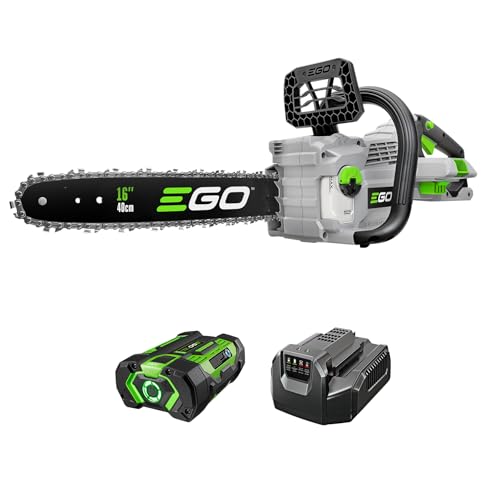 EGO Power+ CS1611Best overall
 Seesii M16 AcePower plus two batteries
 Seesii M8 BoostLightest in the lineup
The short comparison
Electric and gas saws both cut wood, but they ask different things of you. Electric saws, whether corded or battery powered, trade some raw staying power for simplicity. Gas saws trade simplicity for the ability to keep going as long as you have fuel.
The table below sums up the main differences. It reflects how these tools generally work, so check each model's listing for its own details.
| Factor | Electric (corded or battery) | Gas |
|---|---|---|
| Starting | Push a button or squeeze a trigger | Pull cord, with choke and priming steps |
| Run time | Corded: unlimited. Battery: limited by charge | As long as you have fuel |
| Upkeep | Chain care, bar care, battery care | Chain care plus fuel mixing, spark plug and air filter |
| Noise and fumes | Quieter, no exhaust | Louder, with exhaust fumes |
| Weight | Often lighter, though battery packs add weight | Varies by engine size |
| Best for | Pruning, limbs, storm cleanup, small firewood | Large trees, long days, remote sites |
When an electric chainsaw is the better pick
Most yard jobs are short. You trim a few limbs, clear a fallen branch or cut a pile of small logs. An electric saw suits that kind of work because there is no engine to start, no fuel to store and no exhaust to breathe.
Cordless models have also closed much of the gap in cutting strength. In our data, the Seesii M16 Ace lists a 2000 W motor on a 16 in bar and comes with two 40V 4.0Ah batteries, and its listing mentions up to 90 minutes of runtime. The Greenworks 80V model also lists 2000 W, with 200 Wh of battery energy. Those are published figures, so treat the runtime as a manufacturer claim and not a promise for every cut.
If you want to see how the electric options line up on power, weight and features, our best electric chainsaw page puts them on one spec sheet.
When gas still makes sense
Gas is the practical choice when you cannot plug in or stop to swap batteries. If you clear large areas of land, cut many big trees in a day, or work on property with no power nearby, an engine saw keeps going when a battery would be empty. You refuel in a minute and carry on.
The cost is upkeep. Gas saws need the right fuel mix, and many small saws use a two-stroke engine that runs on oil mixed into the gas. They also need regular attention to the air filter and spark plug, and fuel can go stale if you leave it in the tank over the off-season.
Our data includes gas models too, such as the Husqvarna 130 with a 16 in bar. They are not electric, so they do not belong in an electric search, and our electric page says so. If you go gas, store fuel in a proper container. Our best gas can page compares options.
Which specs matter when you compare
Whichever type you lean toward, a few numbers decide how the saw feels in your hands. These are the ones we check on our spec sheets.
Weight matters more than most buyers expect. In our electric data, weights run from 3.2 lb for the 8 in Seesii M8 Boost mini saw to 15.5 lb at the heavy end. The EGO CS1611 lists 9 lb with a 16 in bar, which is a comfortable middle ground for limb work. A lighter saw is easier to control overhead and over long sessions.
- Power: watts for corded and cordless electric saws, engine size for gas saws. Compare like with like.
- Battery energy: Wh on cordless saws. In our data it runs from 80 Wh to 200 Wh, and higher means more time between charges.
- Bar length: our data runs from 8 in to 18 in. A 16 in bar suits limbs and small firewood, while an 8 in saw is built for pruning.
- Safety features: a chain brake and an automatic oiler. Not every model lists both, so check each one.
- Warranty: our data lists terms from 2 to 5 years where a warranty is given. The EGO CS1611 lists 5 years.
Corded or cordless electric
If you decide on electric, you have one more choice. A corded saw, like the Oregon CS1500 with its 18 in bar, never runs out of charge and has no battery to manage. The trade-offs are the cord itself and its reach. It also lists 12.6 lb, which is heavier than most of the cordless 16 in saws in our data.
A cordless saw gives you freedom to move around the yard. You do need to plan for charging, and a second battery helps if you cut for longer stretches. Battery platforms also matter. The Seesii listing notes its batteries work with 40V tools only, so check compatibility if you already own other cordless gear.
Safety for any chainsaw
A chainsaw can cause serious injury whatever powers it, and electric does not mean harmless. Read the manual before the first cut and follow it.
Wear eye protection, gloves, sturdy boots and cut-resistant legwear. Gas saws are loud enough to call for hearing protection, and it is sensible with electric saws during long sessions as well. Keep both hands on the saw and stand with a firm footing.
Never cut above shoulder height, and do not use a chainsaw from a ladder. Kickback happens when the tip of the bar catches wood, so a chain brake helps but does not replace careful technique. Unplug a corded saw or remove the battery before you adjust or clean the chain. For gas saws, refuel only with the engine off and cool, outdoors and away from sparks or flame.
A simple way to decide
Run through these questions in order. Your answers usually point to one type quickly.
- Do your cuts mostly involve limbs, storm debris and small firewood? Choose electric.
- Is there an outlet near your work? A corded electric saw may be all you need.
- Do you want to avoid fuel, fumes and engine upkeep? Choose electric.
- Do you cut large trees or work all day far from power? Consider gas.
- Are you comfortable with fuel mixing and seasonal engine care? Gas becomes a realistic option.
Frequently asked questions
Is a cordless electric chainsaw as strong as a gas one?
Some listings compare themselves to gas engines. The Greenworks 80V says it gives power equal to a 50cc gas engine. These are manufacturer claims, so compare the listed watts, bar length and battery energy and match them to your jobs.
How many batteries do I need?
It depends on how long you cut at a time. One battery covers short jobs. For longer sessions, a kit with two batteries lets you swap and keep working while one charges.
Do electric chainsaws need oil?
Yes. The chain still needs lubrication, and many electric saws have an automatic oiler that feeds oil from a small tank. Check the oil level before you start, and refill the tank as needed.
Can I use an electric chainsaw in the rain?
Be careful. Some listings mention weather resistance, such as the EGO CS1611 with an IPX4 rating, but that does not mean the saw is meant for use in heavy rain. Keep corded saws and cords away from wet ground, and follow the manual.
What size bar should a beginner choose?
A 16 in bar is a common starting point for limbs and small firewood. An 8 in saw is lighter and built for pruning. Avoid a longer bar than you need, since it adds weight and makes control harder.