Ear Protection vs Noise Cancelling Headphones: Which Do You Need?
Choose ear protection (earmuffs, ear defenders or earplugs) for loud, hazardous noise like gunfire, power tools and mowers. Choose noise cancelling headphones for comfort and focus around steady background hum, such as travel or an office. Noise cancelling headphones are not rated as hearing protection, so they should not stand in for muffs on a loud job.
 Walker's GWP-RSEMBest overall
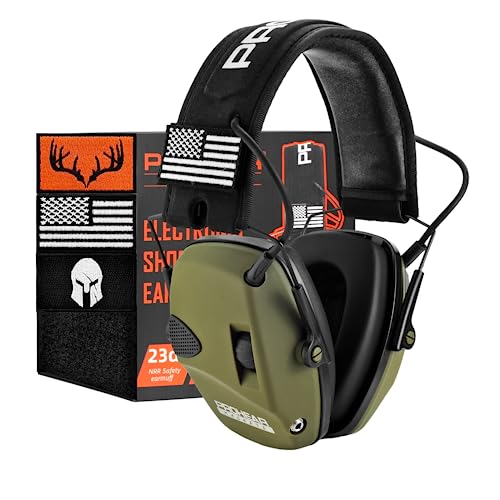 PROHEAR PROHEAR 066Light electronic, long battery
 Pro For Sho PAS-GYHigh NRR, low weight
Two tools built for different jobs and how each cuts noise
Hearing protection exists to keep damaging sound from reaching your eardrums. Earmuffs, also called ear defenders, do that with dense cups, foam and a tight seal around the ear. Earplugs do it by sealing the ear canal. Neither needs power to work.
Noise cancelling headphones exist to make listening more pleasant. They use small microphones and electronics to cancel some steady sound, mostly low rumble like an engine or air conditioner. The design leans toward light weight and easy all-day wear.
Passive hearing protection blocks sound physically. Because it works through mass and seal, it handles sharp, high-frequency noise like gunshots, saws and engines well. The Pro For Sho model on our best ear protection page notes this directly: its listing says passive muffs reduce noise rather than cancelling it, so low-frequency sound such as conversation and bass is less affected.
Active noise cancelling does the opposite. It listens to the surrounding sound and plays an opposing signal. That works best on steady, low-pitched noise. It is much less effective on sudden, sharp sounds, which are exactly the sounds that cause the most harm on a range or a job site.
Hearing protection also has a standard rating. The noise reduction rating, or NRR, shows how many decibels a muff takes off, and our best ear protection lineup runs from 22 dB to 37 dB NRR. Noise cancelling headphones are sold for comfort and do not carry that kind of protection rating, so you cannot compare the two on one number.
Side-by-side comparison
This table shows the general differences. Product numbers come from the published specs for the muffs on our comparison page.
| Feature | Ear protection (muffs) | Noise cancelling headphones |
|---|---|---|
| Main purpose | Protect hearing from harmful noise | Reduce background noise for comfort |
| How it works | Foam, shell and seal (passive) or added microphones (electronic) | Microphones and electronics cancel steady sound |
| Best against | Gunfire, power tools, engines, loud events | Constant low hum such as travel or office noise |
| Rating | NRR, often with ANSI S3.19 or CE EN 352 listings | No hearing protection rating |
| Batteries | None for passive; electronic muffs use them | Needed for the cancelling feature |
| Music or audio | Some electronic models have an audio input | Built for music, calls and media |
| Wear comfort | Snug by design for a good seal | Designed for long, relaxed wear |
When to choose which
Think about the loudest sound you will face, not the average one. If a single loud event could harm your ears, you need real protection.
- Shooting range or hunting: choose muffs with a high NRR. Electronic muffs let you hear range commands while shutting out the blast.
- Lawn mowing, chainsaws, woodworking: choose muffs, with a rating that matches how loud the tool is.
- Concerts, motorsports and fireworks: choose muffs or earplugs. Passive muffs also work for sensory-sensitive wearers, as noted on one product listing.
- Flights, trains and open-plan offices: noise cancelling headphones are a good fit for steady background noise.
- Focus at home: noise cancelling headphones are fine, as long as you keep the volume at a safe level.
Passive muffs, electronic muffs and earplugs
If you decide you need protection, there are three common routes. Passive muffs have no batteries and cannot boost quiet sounds. In our lineup, the passive models that list a type run from 27 dB to 37 dB. For example, the Decibel Defense muffs list 37 dB NRR at 12 oz, and the Pro For Sho muffs list 34 dB NRR at 7.2 oz.
Electronic muffs add microphones that amplify quiet sound and shut off loud sound. The electronic models in our lineup list 22 dB or 23 dB NRR. The PROHEAR 066, for instance, lists 23 dB NRR, 300 hours of battery life and an audio input at 9.6 oz. The Walker's Razor lists 23 dB NRR with amplification and an audio input too. You trade some raw NRR for awareness of your surroundings.
Earplugs are small, light and easy to carry. They suit people who find muffs hot or bulky. Their protection depends heavily on a deep, correct insertion, so follow the instructions on the pack.
If you want both protection and audio, an electronic muff with an audio input is closer to a hybrid. The Walker's Razor listing describes it as converting the muffs into headphones with hearing protection. Keep any audio at a low volume so it does not add to the noise load.
Combining them, fit and safety notes
Layering earplugs under muffs is a common approach in extreme noise. The Pro For Sho listing recommends doubling up with earplugs under the earmuffs for maximum protection in very loud settings.
Wearing noise cancelling headphones under muffs, or in place of them, is a different matter. The headphones add bulk that breaks the muff seal, and they are not a protection device. If you want music on a loud job, choose muffs with an audio input instead.
Fit matters more than most people expect. A muff that does not seal around your ears will not give its rated protection. Move glasses arms, hair and hats out of the way, and make sure the cups fully cover your ears.
Do not rely on noise cancelling headphones around gunfire, chainsaws, power tools or other hazardous noise. They are not designed or rated for it. Hearing damage builds up and is permanent, so protect your ears before the noise starts, not after your ears ring.
Awareness matters too. Blocking sound while walking near traffic, working on a ladder or running machinery can be dangerous. If you need to hear warnings or speech, electronic muffs that pass through safe sound are a better option than sealing everything out.
Wear eye protection along with ear protection when shooting or cutting, and check the muff cushions for wear regularly. Torn or hard cushions weaken the seal.
How to decide and the bottom line
Use ear protection when noise could hurt you, and noise cancelling headphones when you just want calmer listening. They overlap a little in appearance, but not in purpose.
If you are still unsure, work through these steps in order. For spec-by-spec choices, see our ear protection comparison, which lists NRR, weight, battery life and fit details side by side.
- Name the loudest sound you will face.
- If it is gunfire, tools or engines, pick hearing protection and check its NRR and certifications.
- Decide between passive and electronic based on whether you need to hear speech or want an audio input.
- Check weight, cushion material and headband adjustment for comfort, then confirm the size fits your head.
Frequently asked questions
Are noise cancelling headphones the same as ear defenders?
No. Ear defenders are hearing protection with a rated noise reduction. Noise cancelling headphones are built for comfort and media, and they are not a substitute.
Do earplugs work better than noise cancelling headphones?
For blocking harmful noise, properly fitted earplugs are real hearing protection and headphones are not. For listening to music or calls, headphones are the better tool.
Can I wear earmuffs over regular headphones?
It is not a good idea. The headphone band and cups break the seal of the muff and reduce its protection. Electronic muffs with an audio input are a cleaner choice.
Do higher NRR muffs always feel better?
No. A higher NRR means more blocked sound, but comfort comes from weight, cushions and headband fit. Try for a snug fit that seals without painful pressure.
Are ear defenders okay for kids or sensory needs?
Some muffs list adjustable fit from kids to adults, and one listing mentions use for sensory overload. Check the size information on the product you pick.