Dust Mask vs N95 vs Respirator vs Surgical Mask: Which Do You Need?
For real shop dust, choose a tight-sealing NIOSH approved respirator, either an N95 or a P100 half mask. A basic dust mask only handles light, nuisance dust, and a surgical mask is not designed to filter the air you breathe in. If fumes are involved, you need a respirator with the right vapor cartridges.
 3M 62023HA1-CBest overall
 3M 65023QLH1-DCQuickest on and off
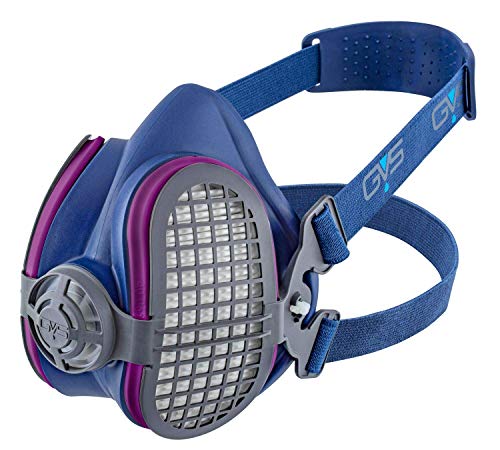 GVS SPR451Best for glasses wearers
The short version of each mask
These four names get mixed up all the time, and they describe different things. Some describe a shape and fit, and others describe a certification or a medical purpose.
A dust mask is usually a thin, loose, disposable cover for light dust like sweeping or yard chores. A surgical mask is a loose-fitting medical mask made mostly to block droplets and splashes from the person wearing it. An N95 is a disposable respirator that is certified to filter at least 95% of airborne particles and is meant to seal to your face. A respirator, in the broad sense, is any mask that seals to your face and cleans the air through filters, including reusable half-face and full-face models.
- Dust mask: loose fit, light nuisance dust, no particle rating you can rely on
- Surgical mask: loose fit, made for fluid resistance and for protecting others
- N95: disposable, sealed fit, 95% particle filtration when certified
- Respirator: reusable, sealed fit, replaceable filters or cartridges
Side by side comparison
The table below sums up the main differences. Ratings come from the specs listed on our comparison data, and fit is general knowledge about how each type works.
| Type | Fit to face | Particle filtering | Reusable filters | Best for |
|---|---|---|---|---|
| Dust mask | Loose, often one strap | No certified rating to count on | No | Light household dust |
| Surgical mask | Loose, ear loops | Not designed as respiratory protection | No | Medical settings, covering coughs and splashes |
| N95 or KN95 style | Sealed when fitted well | 95% efficiency | No | Sanding, sweeping, general dust |
| P100 half-face respirator | Sealed, adjustable straps | 99.97% filtration | Yes | Fine dust, drywall, heavier sanding |
| Respirator with vapor cartridges | Sealed, half or full face | P100 plus vapor protection on some models | Yes | Paint, solvents, certain chemicals |
Why fit matters as much as the rating
A filter can only help if the air goes through it. A loose mask lets air slip around the edges, so the printed efficiency does not tell the whole story. That is the big reason a surgical mask or a paper dust mask is a weak choice for sanding or demolition.
A sealed respirator presses against your skin all the way around. Beards and stubble break that seal, and so can glasses arms or a poorly adjusted strap. Before each use, check that the mask sits snug, the straps are even and you do not feel air leaking at the nose or chin.
Certification also counts. In our data, the GVS Elipse P100 half masks list NIOSH approval and meet the 42CFR84 requirements. Look for the standard the maker names, such as NIOSH for US-approved respirators or CE and EN for European ones.
Matching the mask to the job
Start with what is in the air. Dust is a particle problem, so it needs a particle filter. Paint fumes, solvents and some cleaners are vapors, and a particle filter alone will not stop them.
Here is a simple way to choose:
- Sweeping, yard work or light dusting: a basic dust mask is usually enough, though an N95 is a better fit
- Sanding wood or drywall: an N95 at minimum, or a P100 half mask for fine dust
- Painting, spraying or solvents: a respirator with organic vapor cartridges
- Cleaning with bleach or pool chemicals: a respirator rated for acid gas as well
- Medical or sick-room use: follow the guidance for that setting, which is a different job from workshop dust
What our spec data shows
Our best dust mask page lists several products on one spec sheet, and a few examples show how these categories play out. The GVS Elipse SPR451 is a P100 half mask rated at 99.97%, weighs 0.4 lb and is listed as working with glasses. Its intended use covers dusts and fumes such as wood and silica.
If you also deal with vapors, the 3M 62023HA1-C combines P100 filtering with organic vapor and acid gas protection. It weighs 0.8 lb and is listed for workplace or occupational use only, so read the intended use line before you buy.
On the lighter end, the AirGearPro G-500 weighs 0.2 lb and lists painting, sanding and DIY use. Its particulate rating is N95 / P2 with a listed efficiency of 98%, and it carries CE / EN certification rather than NIOSH.
One more detail from the data: the 50-pack of disposable masks is a KN95 at 95% efficiency, but it is made for daily wear, not workshop dust. Always check the intended use, not just the filter number.
Safety notes before you start
Half-face respirators and disposable masks leave your eyes open. For sanding, cutting or grinding, wear safety glasses or goggles too, and check that your eyewear works with the mask. Two of the full-face models on our page say they do not work with glasses, so check that spec first.
Loud tools call for hearing protection as well, and the mask should not interfere with earmuffs or plugs. Replace disposable masks if they get damaged, wet or hard to breathe through. For reusable respirators, swap filters or cartridges when breathing gets harder or you smell fumes, and follow the maker's time limits, especially around oil aerosols.
Some dusts, such as asbestos or silica, need professional guidance and more than a basic mask. If you suspect asbestos in old materials, stop and call a qualified abatement pro. Store reusable respirators in a clean, sealed bag away from dust and sunlight.
How to pick in three steps
If you are still unsure, work through these steps in order.
- Name the hazard: fine dust only, or fumes and chemicals too
- Choose the certification and rating that fit it, such as N95 for general dust or P100 for fine dust
- Confirm the fit, eyewear compatibility and replaceable filters, then check the maker's intended use line
Frequently asked questions
Is a surgical mask the same as a dust mask?
No. A surgical mask is a medical mask made to block droplets and splashes, while a dust mask is meant for light nuisance dust. Neither seals to the face the way a respirator does.
Can I reuse an N95?
Disposable N95s are not intended for repeated use. Replace one if it is damaged, soiled or hard to breathe through.
Do I need a respirator for painting?
Yes, for solvent-based paints or spraying. Choose one with organic vapor cartridges, because a particle-only mask will not stop fumes.
Will an N95 work with a beard?
Facial hair under the sealing edge can let air leak around the mask. A clean-shaven seal area gives the best fit.