Does TIG Welding Cause Cancer? Health and Safety Facts
Welding fume is classified as a cause of lung cancer in humans, and TIG welding is not exempt, although it usually makes less visible smoke than stick or MIG. The arc's ultraviolet light can also harm your eyes, and some TIG-specific materials add risk. With good ventilation, fume extraction, the right respirator and proper gear, you can lower your exposure a great deal.
 Sunstac TIG-250 TP ACDCBest overall
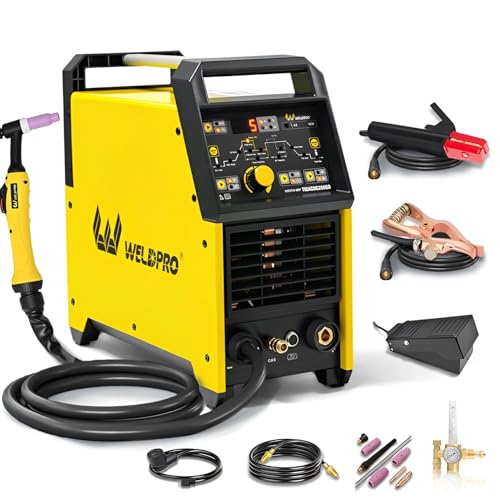 W Weldpro TIG200-KT26 TorchPedal-ready aluminum machine
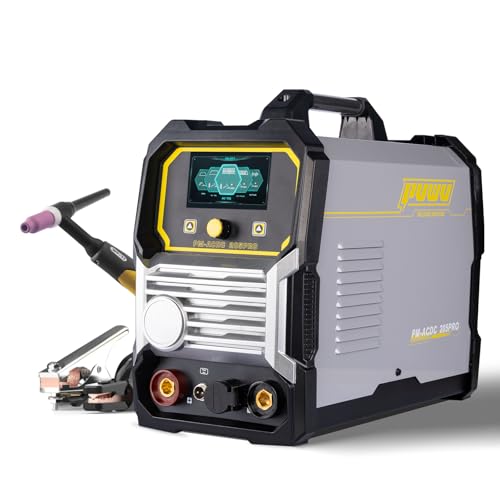 PUWU PM-ACDC-205PROCompact 205A option
The short version: what the evidence says
Major health bodies, including the International Agency for Research on Cancer, say welding fume can cause lung cancer and may be linked to kidney cancer. That finding applies to welding in general, not to one process alone. Welders as a group show an excess of lung cancer, and researchers keep working to separate the effect of fume from other factors such as smoking.
So the honest answer to "does TIG welding cause cancer?" is that it can contribute to risk, especially over years of repeated, poorly controlled exposure. A weekend project in an open garage is a very different situation from daily work in a closed shop. Exposure is the thing you can control.
This guide is based on published health guidance and general welding knowledge. It is not medical advice, so talk to a doctor if you have health concerns about your work.
Why TIG is often cleaner, but not clean
TIG uses a non-consumable tungsten electrode and a separate filler rod, with shielding gas covering the weld. There is no flux and no wire burning in the arc, so TIG typically produces less fume than stick welding or flux-core MIG. That is a real advantage.
Less fume does not mean no fume. The base metal, the filler, coatings, oils and paint all vaporize near the arc. Fine particles are small enough to reach deep into the lungs, and you often cannot see them. A clear view of your weld is not a sign that the air is safe.
Aluminum AC TIG deserves a mention too. The arc produces ozone and nitrogen oxides, which irritate the airways. These gases are a short-term problem more than a cancer problem, but they are another reason to keep air moving.
The main hazards and how to handle each
Cancer risk is only one part of the picture. The table below lists the common TIG hazards and the usual control for each.
Stainless steel and some plated metals need extra attention. Welding stainless can release hexavalent chromium and nickel compounds, both of which are health concerns. Galvanized or cadmium-plated parts should be cleaned or avoided, since their fumes can make you sick quickly.
| Hazard | Where it comes from | Main control |
|---|---|---|
| Welding fume | Metal, filler and coatings vaporizing | Source extraction, ventilation, respirator |
| Ultraviolet and infrared light | The arc itself | Auto-darkening helmet, long sleeves, gloves |
| Ozone and nitrogen oxides | Arc heating the air, strongest on aluminum | Airflow, extraction, respirator if needed |
| Thoriated tungsten dust | Grinding thoriated electrodes | Use thorium-free tungsten, grind with dust capture |
| Cleaning solvents | Chlorinated degreasers near the arc | Let parts dry fully, avoid chlorinated products |
| Shielding gas displacement | Argon pooling in tight spaces | Ventilate, never weld in a sealed space alone |
| Electric shock | Mains power and open-circuit voltage | Dry gloves, sound cables, dry floor |
Protecting your lungs
Start at the source. A fume extractor or a capture hood placed close to the weld removes particles before they reach your face. General room ventilation helps, but it works best as a second layer, not the only one.
Keep your head out of the plume. Positioning yourself so the fume rises away from your breathing zone makes a noticeable difference. A cross-draft that blows fume toward you does the opposite, so check airflow before you strike an arc.
When extraction is not enough, wear a respirator rated for welding fume. A simple dust mask is not designed for this job. Fit matters, so a tight seal over clean skin is more important than the label on the box.
Here is a practical order of controls to follow:
- Remove or clean coatings, oil and paint from the joint before welding.
- Use source extraction near the arc.
- Add room ventilation so fresh air keeps moving through the space.
- Position your body and the work so fume rises away from your face.
- Wear a properly fitted respirator rated for welding fume when exposure is still likely.
- Keep welding sessions in enclosed or confined spaces to a minimum, and never work in them without ventilation.
Protecting your eyes and skin
The arc gives off ultraviolet light strong enough to burn the surface of your eye in minutes, a painful condition often called arc flash. Health agencies also link long-term arc light exposure to a rare eye cancer, which is why eye protection is a cancer topic and not only a comfort one.
Use an auto-darkening helmet with the correct shade for your amperage. Wear safety glasses under it, since light can sneak in from the side while you are setting up or grinding. Some machines make setup easier to read through a helmet. For example, the Sunstac listing mentions an LCD screen with digits visible with the helmet on.
Cover your skin as well. Ultraviolet light burns exposed forearms and necks just like sun. Wear flame-resistant long sleeves, leather TIG gloves and a high collar. Keep bystanders out of line of sight, or use welding screens.
If you grind tungsten or metal, add hearing protection and a face shield. Grinding is loud and throws sparks and dust.
Can TIG welding kill you?
Serious injury is rare when you follow basic precautions, but the hazards are real. The most immediate danger is electric shock. Mains power feeds the machine, and damp gloves, worn cable insulation or a wet floor raise the risk. Check cables before each session and never weld while standing in water.
Some machines add protection. The PUWU 205A listing mentions a voltage reducing device (VRD), overheat shutdown and Class-F insulation. These features can add a layer of safety, but they do not replace dry gloves and good habits.
Other serious risks include fire from sparks, and argon pooling in low or enclosed spaces, which can displace breathable air. Keep a fire extinguisher nearby, clear flammables from the area and make sure gas cylinders are chained upright. Long-term lung damage from fume is a slower danger, which is why the controls above matter every session.
Choosing a machine with safety in mind
No welder removes fume or arc light, so equipment cannot replace ventilation and protective gear. Still, a few features help you work more safely and more calmly. Pulse control, which cuts heat input on thin metal, can reduce fume from overheating the joint. A foot pedal gives live current control so you can ease off instead of overheating the metal.
Match the machine to your metal and your power supply so you are not pushing it hard. Our best TIG welder comparison lays out current, AC or DC capability, pedal support and weight side by side. For example, the Weldpro 200A lists a foot pedal in the box and a 0.5 to 200 Hz pulse range.
If you plan to weld aluminum, check the AC TIG column first on the TIG welder spec sheet. Then plan your workspace, with extraction and airflow, before you plug anything in.
Frequently asked questions
Is TIG welding safer than MIG or stick?
TIG often makes less fume, which is a benefit. It still produces fume, ultraviolet light and electrical risk, so the same protections apply.
Can I weld safely in a home garage?
Yes, if you ventilate well, use extraction where you can, keep flammables away and wear proper eye, skin and breathing protection. Open the door and set up airflow that carries fume away from you.
Why is thoriated tungsten a concern?
Thoriated electrodes contain a slightly radioactive material. The main concern is dust from grinding them, so many welders choose thorium-free tungsten and grind with dust capture.
Do I need a respirator for TIG welding?
It depends on the metal, coatings and ventilation. Welding stainless, plated parts or working in tight spaces makes one far more important.
Should I get regular health checkups as a welder?
Ask your doctor, especially if you weld often. They can advise on lung health checks and what to report.