Do You Really Need Insulated Screwdrivers?
Most people only need insulated screwdrivers if they open electrical panels, outlets, switches or fixtures, or work near circuits that could be energized. For furniture, bikes and small electronics, a regular quality screwdriver is fine. Insulation is a backup layer of protection. It never replaces shutting the power off first.
 SUNHZ MCKP YMX022Best overall
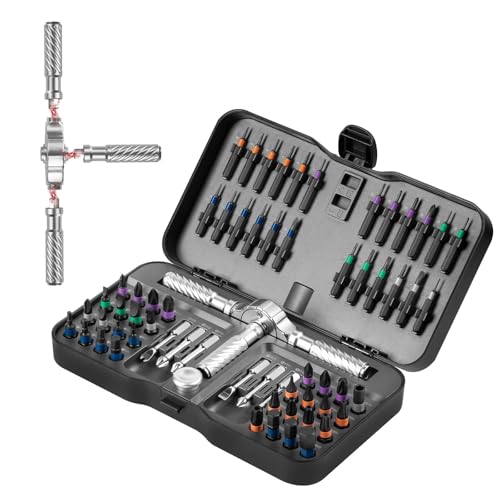 VMAN VMAN-66IN1
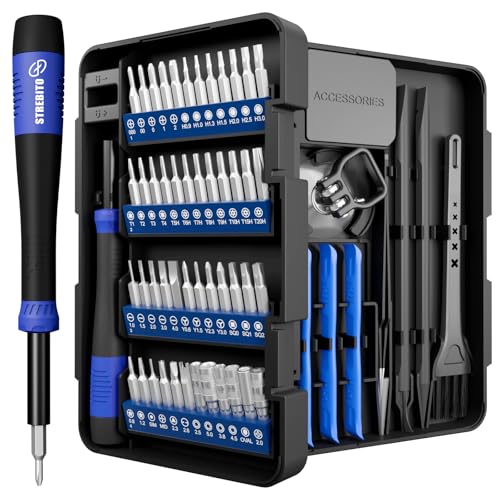 STREBITO Broad electronics repair kit
What an insulated screwdriver actually is
An insulated screwdriver has a coating or sleeve over the shaft and a handle made to resist electric current. The point is to reduce the chance that current passes through the tool and into your hand if the tip touches a live part. Only the metal tip is left exposed so it can still do the work.
The key word is rated. A genuinely insulated tool carries a voltage rating and a certification marking, usually on the handle or the shank. Many tools sold as electrician style only have a soft rubber grip. That grip is there for comfort and does not protect you from electricity.
Our best insulated screwdriver set page makes the same point: if a listing does not state a rating, assume the tool is not rated for live electrical work.
When insulated screwdrivers are worth it
The simple test is whether your tool could touch a conductor that might be energized. If the answer is yes, or even maybe, a rated insulated driver is a sensible safety layer. Here are the common cases.
- Working inside a breaker panel, where tightening or loosening terminal screws puts a tool near other conductors.
- Replacing outlets, switches, dimmers or light fixtures, especially in older homes where wiring may not match what you expect.
- Tightening terminal screws in junction boxes, appliances or HVAC equipment.
- Troubleshooting a circuit where an electrician or technician needs to test while power is on.
- Any job where a slip could bridge two terminals or touch a grounded metal box.
When you can skip them
For most home projects, an insulated handle adds nothing. Assembling furniture, hanging shelves, tightening cabinet hinges, swapping a battery cover or fixing a toy does not involve live circuits. A comfortable, well-made standard driver is the better buy for those jobs.
Small electronics repair is a gray area. Phones, game consoles and laptops are low voltage, and good practice is to power them down and unplug them first. Precision kits are chosen for tip variety and control, not for electrical protection. That is why we note that most of the top sets on our comparison page are precision electronics kits and none of the five reviewed lists an insulation or voltage rating.
A simple ten-piece pouch of magnetic precision drivers, for example, is handy for glasses and gadgets but is not suited to electrical work.
Insulated tools are not a substitute for turning power off
This is the most important point in the guide. Insulation lowers risk, but it can fail. Coatings get nicked, cracked or contaminated, and a tool can only protect the path through its own handle. It does nothing about other parts of your body touching a live conductor.
Safe habits come first, and the tool comes second:
- Turn off the breaker for the circuit, and label or lock the panel so no one switches it back on.
- Confirm the circuit is dead with a non-contact tester, then a proper meter on the actual terminals.
- Keep one hand free and away from metal boxes and pipes when you cannot avoid live work.
- Wear safety glasses, since arcs and sparks can throw molten metal.
- Stop and call a licensed electrician if you see scorched wiring, aluminum wiring, or anything you do not understand.
What to check before you buy
If you decide you do need one, look for specific details instead of marketing language. A good listing tells you what you need to know in a few lines.
First, find the voltage rating and certification marking. Without those, you cannot tell an insulated tool from a cushioned grip. Second, check what the blade is made of. S2 alloy steel and chrome vanadium both show up in the sets we compare, and the maker should name the steel. Third, count the full-size drivers and check the drive types. Electrical work usually needs full-size Phillips and slotted drivers plus a few small ones for terminal screws.
Finally, look at handle shape, storage and warranty. An anti-roll handle stays put on a bench, magnetic tips hold screws, and a case keeps sizes together. You can see how current sets stack up in our insulated screwdriver set comparison.
Quick guide: which tool for which job
Use this table as a starting point. When in doubt, choose the more protective option and shut off the power anyway.
One example from our lineup: the top-ranked set lists 14 full-size drivers and S2 alloy steel blades in a tool box. Like the others on that page, its data gives no insulation rating, so we would not treat it as rated for live electrical work.
| Job | Insulated, rated driver? | Better choice |
|---|---|---|
| Replacing an outlet or switch | Yes, as a backup layer | Rated insulated Phillips or slotted driver, with the breaker off |
| Working in a breaker panel | Yes | Rated insulated drivers, plus a meter to confirm the circuit is dead |
| Phone or laptop repair | No | Precision set with the right tip types, device powered off |
| Furniture assembly | No | Standard Phillips or slotted driver, or a ratcheting multibit |
| Game console or controller | No | Precision set with Torx and security bits, unplugged |
| Appliance terminal screws | Yes | Rated driver with the appliance unplugged |
Frequently asked questions
Are insulated screwdrivers worth it for a homeowner?
They are worth it if you plan to touch outlets, switches, fixtures or panels. If your projects are mostly furniture, bikes and gadgets, a standard driver does the job.
Can I work on live wires if my screwdriver is insulated?
No. Insulation is a backup layer, not permission. Turn off the breaker, test that the circuit is dead, and only then start. Live work should be left to trained electricians.
How can I tell if a screwdriver is really insulated?
Look for a voltage rating and a certification marking on the handle or shank, and for a maker that states it plainly. A rubber or cushion grip on its own is for comfort.
Do I need to replace an insulated screwdriver if it is damaged?
Yes. If the coating is cracked, cut, or chewed up, or if the handle is loose, retire it for electrical jobs. Damaged insulation can no longer be relied on.
Are precision electronics kits insulated?
Generally no. They are built for small screws and varied tips, and the sets we compare do not list an insulation rating. Do not use them near live circuits.