Do You Need to Prime a Bathroom Before Painting?
Usually yes, but not always. Bare drywall, patched spots, stains, glossy paint and a major color change all call for primer. If your walls are clean, sound and already painted in a similar color, a self-priming mildew-resistant paint can often do the job without a separate primer coat.
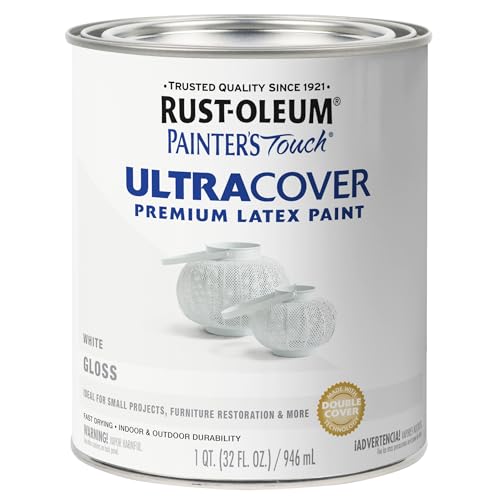 Rust-Oleum 1992502Fast-drying gloss for trim
 INSL-X CC550109A-44Satin sheen, water resistant
 Rust-Oleum 369384Satin door and trim
The short rule: prime based on the wall, not the room
A bathroom is not automatically a priming job. What decides it is the surface you are starting with. Primer does three things: it helps paint stick, it seals porous or stained spots so the finish looks even, and it blocks marks that would otherwise show through.
Bathrooms add one more factor. Steam and splashes keep the air damp, so the surface under your paint matters more than it does in a bedroom. A weak bond or an unsealed patch can lead to peeling and blotchy areas sooner.
The sections below walk through each common situation so you can decide quickly.
When you should prime
Primer is worth the extra step in these cases. Skipping it here usually shows up later as uneven color, flaking or stains that bleed through.
- New or bare drywall. Raw paper and joint compound soak up paint unevenly, so a primer coat evens things out.
- Patched or repaired areas. Spackle and filler absorb paint differently than the wall around them, which can leave dull spots called flashing.
- Water, smoke or rust stains. A stain-blocking primer keeps them from showing through the new coat.
- Glossy or oil-based existing paint. Slick surfaces need to be sanded and primed with a bonding primer so the new paint grips.
- Bold color changes. Going from a dark color to a light one is easier with primer underneath.
- Bare wood, plaster or masonry. These porous surfaces need sealing before a topcoat.
When you can skip it
If the walls are already painted, clean, smooth and in good shape, you can often go straight to paint. This is the answer to the common question, can you paint over existing paint in a bathroom. Yes, as long as the old coat is firmly attached and you prepare it properly.
A paint that is labeled self-priming gives you more room to skip a separate primer. Zinsser Perma-White, a mold and mildew-proof semi-gloss wall paint on our best paint for bathroom walls page, is listed as self-priming and as adhering without sanding. That makes it a reasonable fit for repainting sound walls in a similar color.
Keep one caution in mind. Self-priming does not mean stain-blocking or magic on a failing surface. If the old paint is peeling, chalky or heavily stained, fix that first. Also note that many products in the paint aisle are made for cabinets and trim rather than walls, so check the intended use before you buy.
Quick guide: what to put on bathroom walls before painting
Use this table to match your wall's condition to its prep. When in doubt, a spot test on a small area will tell you whether the new paint grips and looks even.
| Wall condition | Prep needed | Primer needed? |
|---|---|---|
| Painted, clean, similar color | Wash, rinse, let dry fully | Often no, if paint is self-priming |
| Painted, glossy finish | Wash, sand lightly, wipe dust | Yes, a bonding primer |
| Bare drywall | Dust off, fill dents | Yes |
| Patched spots only | Sand patches smooth, dust | Yes, on the patches at least |
| Water or mildew stains | Clean with a mildew remover, rinse, dry | Yes, stain-blocking type |
| Dark color to light color | Wash and dry | Yes, tinted if possible |
How to prep the walls step by step
Good prep matters more in a bathroom than the brand on the can. Steam, soap film and body oils build up on walls and stop paint from bonding.
Work in this order:
- Turn the power off at the breaker for the room if you will be working around switches, outlets or light fixtures. Remove cover plates and fixtures you can safely take off, and tape over the rest.
- Wash the walls with a mild cleaner, then rinse with clean water. Treat any mildew with a bathroom mildew cleaner, following its label.
- Let the walls dry completely. Run the exhaust fan or open a window, and give the room a good while to dry out before you continue.
- Scrape loose paint, fill holes and cracks, then sand patches and glossy areas lightly.
- Wipe off the dust with a damp cloth and let it dry.
- Tape the trim, tub edge and fixtures.
- Apply primer where needed, then paint once the primer has dried per its label.
Choosing the paint that goes over it
Primer is only half the system. The topcoat does the daily work of resisting moisture and wiping clean. Satin or semi-gloss sheens handle humidity and scrubbing better than flat paint, and a paint that says it resists mold and mildew adds protection where it counts.
Check drying times too, because the room is often out of use while you work. Zinsser Perma-White lists 30 minutes to dry to the touch and 2 hours to recoat. Coverage matters for planning: it lists 300 to 400 sq ft per 4 qt can, so measure your wall area before buying. Our bathroom wall paint comparison puts those numbers next to the other products so you can line them up.
Whatever you choose, follow the temperature and humidity guidance on the can. Paint applied to damp walls or in very cool, humid air can dry poorly.
Safety notes
Painting is low risk, but a few steps deserve care.
Ventilate the room well. Open a window and run the fan, and take breaks if fumes bother you. Water-based paints have less odor than oil-based ones, but primers and mildew cleaners can still be strong.
Wear eye protection when sanding, scraping or cleaning overhead, and use a dust mask when sanding. If your home was built before 1978, the old paint may contain lead. Do not dry sand or scrape it. Look up lead-safe practices or use a certified professional first.
Use a stable stepladder for ceilings and high corners, and keep both feet on the steps. Keep water, wet cloths and cleaning liquids away from outlets, and never mix cleaning products, especially those containing bleach and ammonia, because the fumes can be dangerous.
Frequently asked questions
How long should primer dry before I paint?
Follow the label on your primer, because drying times vary by product. Painting too soon can cause streaks or poor adhesion, so wait the full recommended time, especially in a humid room.
Is paint-and-primer in one the same as using primer?
Not exactly. These paints help with coverage and adhesion on sound walls, but they are not a substitute for a stain-blocking or bonding primer on stains, glossy surfaces or bare drywall.
Can I paint right after a shower?
No. Wait until the walls and air are fully dry. Keep the door closed and the room unused while the paint cures, and ventilate to help it dry.
Do I need to caulk before painting?
If the caulk around the tub, sink or trim is cracked or moldy, replace it first and let it cure. Choose a paintable bathroom caulk if you plan to paint over it.