Do You Need Special Light Bulbs for Outdoor Fixtures?
Not always, but it depends on the fixture. A fully enclosed, covered fixture can often take a standard bulb with the right base and wattage, while an open or exposed fixture needs a bulb rated for damp or wet locations. Check the packaging for an outdoor, damp or wet rating before you buy.
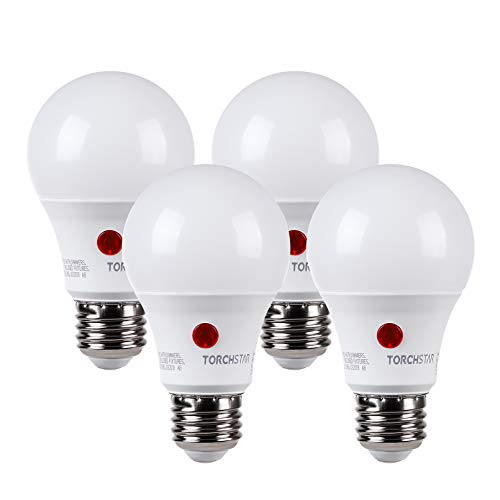 TORCHSTAR A-50408Best overall
 SETEN LED BULB 10WBrightest A19
 Sunco Lighting PAR38_D2D-15W-5K-2PKBest floodlight
The short answer: it depends on exposure
Outdoor bulbs are not a different species of light. An LED bulb is an LED bulb, and the same A19 shape fits an indoor lamp and a porch lantern. What changes is how well the bulb handles cold, moisture, heat buildup and dust.
A covered porch ceiling light with a glass shade is a gentle environment. An open socket on a garage wall, where rain can blow in, is a harsh one. The more exposed the fixture, the more you should insist on a bulb made for the job.
- Enclosed, covered fixture: a standard bulb often works if the packaging allows enclosed use.
- Open or uncovered fixture: choose a bulb with a damp or wet rating.
- Floodlight over a driveway: choose a flood-shaped bulb with a wet rating.
Why outdoor conditions are tough on bulbs
Moisture is the biggest issue. Water that gets into a socket or onto a bulb base can cause corrosion, tripped breakers or a failed bulb. Cold weather matters too, because some bulbs are only designed to start and run above a certain temperature.
Heat is a problem in a different way. A tight glass fixture traps warmth, and LED drivers do not like to run hot for long. That is why many bulbs state whether they are suitable for enclosed fixtures.
Insects, dust and temperature swings between day and night add wear over time. A bulb built for these conditions tends to have a sealed housing and a stated operating temperature range.
How to tell if a bulb can be used outdoors
The answer is printed on the box or the product listing. You are looking for a few specific labels, not marketing language like "tough" or "durable."
For example, one Sunco PAR38 flood bulb we list is wet rated and runs from minus 4 to 104 degrees F. A SETEN dusk-to-dawn A19 bulb lists IP65 waterproof housing. Those are the kinds of details to look for.
- Location rating: dry, damp or wet. Dry is indoor only, damp suits covered porches, and wet suits direct rain exposure.
- IP rating: IP65 means the bulb is built to resist dust and water jets.
- Operating temperature range: make sure it covers your winter lows.
- Enclosed-fixture suitability: look for a statement that the bulb is fine in enclosed fixtures.
- Safety listing: a UL listing shows the bulb was evaluated for safety.
Choosing by fixture type
Match the bulb to the fixture first, then to the light you want. Shape and base matter as much as weather ratings. Most household fixtures use an E26 base, and the products we compare use it too.
If you want to see rated options side by side, our best light bulbs for outdoor fixtures page lays out the specs in one place.
| Fixture | Common bulb shape | What to look for |
|---|---|---|
| Porch lantern or coach light | A19 | Damp or wet rating, around 800 lm |
| Open wall socket | A19 | Wet rating or IP65 |
| Driveway floodlight | PAR30 or PAR38 | Wet rating, focused beam |
| Covered porch ceiling | A19 | Damp rating is usually enough |
Brightness, color and automatic bulbs
Outdoor lights do a different job than lamps in your living room. Porch and garage lights often need to be brighter and clearer. Our outdoor page notes that an A19 around 800 lumens is plenty for lanterns and wall lights, and that floods suit driveways.
Color temperature is a matter of taste. A 5000K daylight bulb looks crisp, and a 2700K bulb looks warm. If you also care about how light affects your evenings, our best light bulbs for health page covers that angle.
Dusk-to-dawn bulbs include a light sensor that switches them on at sunset and off at sunrise. Leave the wall switch on and do not cover the sensor. The TORCHSTAR A19 listing, for instance, notes the red sensor should stay uncovered and that the bulb is for outdoor use only.
Safety notes
Turn the power off at the switch, and ideally at the breaker, before you change a bulb. Outdoor sockets can be damp, and water and electricity are a risky mix.
If you need a ladder, set it on firm, level ground and ask someone to spot you. Let hot bulbs cool before you touch them.
Never exceed the maximum wattage printed on the fixture. LEDs use far less power, but the label still applies. Do not use a non-dimmable bulb on a dimmer, since the Sunco flood bulbs we list are non-dimmable and need a regular switch.
Quick buying checklist
Before you buy, run through these steps. They take a minute and save a wasted trip.
If you are still comparing general options for the whole house, our best light bulbs page is a good starting point.
- Check whether the fixture is open or enclosed.
- Note the base type and shape of the old bulb.
- Pick a bulb with the right location rating.
- Confirm the temperature range suits your climate.
- Decide whether you want a sensor or a plain bulb.
Frequently asked questions
Can I use an outdoor bulb indoors?
Yes. A bulb rated for wet or damp locations works fine indoors too. The reverse is the risky direction.
Does a dusk-to-dawn bulb work in an enclosed fixture?
It can, but the sensor needs to see daylight. A fully opaque or covered fixture can block it, so check the listing and fixture design.
Do I need a different bulb for a motion-sensor light?
Often yes. Check the fixture manual, since some sensor fixtures only accept certain bulb types or wattages.
Will a wet-rated bulb last longer in the cold?
Not automatically. Look at the stated operating temperature range, and pick a bulb whose range includes your coldest nights.