Do Garage Door Openers Need Special Light Bulbs?
Usually not special, but not just any bulb either. Many openers take a standard A19 bulb with an E26 medium base, so the first step is to match the socket and stay under the wattage limit in your manual. If you choose an LED, pick one that does not interfere with the remote, and skip dusk to dawn sensor bulbs.
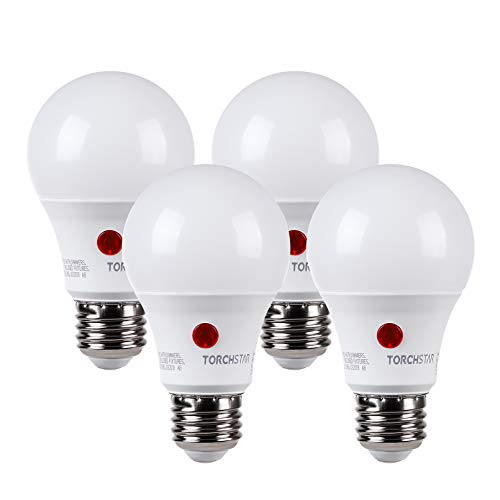 TORCHSTAR A-50408Leads ranking, outdoor use
 LQ BSDERA LQ-01Built for garage door openers
 SETEN LED BULB 10WBright weatherproof driveway sensor
The short version: standard bulbs often work, with a few catches
A garage door opener light is a normal screw-in socket in most cases. Many openers use the same E26 medium base found in lamps and ceiling fixtures, and a standard A19 bulb is the common size. That is why people often wonder if any bulb will do.
The catches are real, though. Some openers use a candelabra or other specialty base. Some have a recessed lens that limits bulb length. Most have a maximum wattage, and some LED bulbs create radio noise that can shorten the range of your wall control or remote. A bulb can fit the socket and still cause trouble.
If you want to see how specific bulbs line up on specs, our best light bulb for garage door opener page puts several on one sheet.
What to check before you buy
Start with the opener itself. The manual or a label near the light socket will tell you the base type, the bulb shape and the maximum wattage. If you no longer have the manual, the old bulb gives you the base and shape.
- Base type: E26 medium is common. If your socket is smaller, a standard bulb will not screw in.
- Shape and size: A19 is the usual fit. Short-neck, halogen and specialty bulbs are often discouraged by opener makers, so read the manual before using one.
- Wattage limit: Stay at or under the maximum printed in the manual or on the opener. Check the actual wattage of an LED, not only the incandescent equivalent on the box.
- Enclosed or damp rating: Garage openers sit in a closed lens and a space that can get humid. Look for a bulb rated for enclosed fixtures or damp locations.
- Remote interference: Look for a listing that speaks to opener compatibility, especially for LEDs.
Why LEDs can cause remote problems
LED bulbs use small electronic drivers to turn household power into the current the LEDs need. Some drivers give off radio frequency noise. An opener receiver listens on a narrow radio band, so that noise can make the remote work only when you are close to the door.
Not every LED does this. Some are built to keep that noise low. Of the bulbs on our comparison page, only the LQ BSDERA 12W lists minimal interference with mainstream openers. It also lists 1500 lumens, 25,000 hours of rated life, an E26 base and a damp location rating.
With any other LED, treat the first bulb as a trial. Install one, then try the remote from the spots where you usually press it, such as the end of the driveway. If range drops, swap it for another type. Keep the old bulb until you are sure.
Skip dusk to dawn sensor bulbs
Sensor bulbs turn on at night and off in daylight by themselves. An opener controls its light by timing it to door movement. Put a sensor bulb in an opener and it may stay dark during the day, even when you want light in a dim garage.
Several of the bulbs on our list are built for porches and outdoor fixtures. The TORCHSTAR A19 lists an 800 lumen output and a 3-year warranty, but its listing notes it is only for outdoor use. The SETEN 10W lists 1100 lumens and an IP65 housing, which suits a driveway fixture rather than an opener. If you are shopping for those spots, see our best light bulbs for outdoor fixtures instead.
Brightness, color and lifespan
Once the bulb fits and works with the remote, brightness and lifespan are the next questions. An opener light is high on the ceiling and awkward to reach, so a longer rated life means fewer ladder trips.
Here is how a few listed bulbs compare on the numbers that matter for a ceiling opener socket. These are published specs, not measured results.
| Bulb | Lumens | Rated life | Notes |
|---|---|---|---|
| LQ BSDERA 12W | 1500 | 25,000 hours | 6000K, listing claims minimal opener interference, damp rated |
| LUXRITE A19 | 800 | 25,000 hours | 2700K, dimmable, works in enclosed fixtures, UL listed |
| TJOY A19 8-pack | 800 | 15,000 hours | 3000K, CRI 85, UL listed, not dimmable |
A simple way to choose and install
Wattage limits and bulb size matter more than color for most people. For general garage tasks, cooler tones around 5000K to 6000K look crisp, while 2700K to 3000K is softer. It is a matter of taste.
Here is a quick process that avoids most problems. For a wider look at the market, our best light bulbs page covers more categories.
- Open the manual and note the base, shape and maximum wattage.
- Pick a bulb that matches all three. Avoid sensor bulbs.
- Close the door, then turn the opener's power off before changing the bulb.
- Let the old bulb cool, then swap it in and close the lens.
- Restore power and test the light and the remote from your usual spots.
Safety notes
Unplug the opener or switch off its circuit before you touch the socket. The light is mains powered, and the opener can start moving if someone presses a button while you are reaching in.
Use a stable stepladder on a level floor, not a chair or a bucket. Keep the car out of the way and make sure the door is fully closed or securely propped before you climb.
Let bulbs cool first. Wear safety glasses when reaching overhead, because a broken bulb or falling dust can reach your eyes.
Frequently asked questions
Can I use a regular incandescent bulb?
Often yes, if it is an A19 shape, fits the socket and stays within the maximum wattage in your manual. Incandescent bulbs do not usually cause remote interference. They run hot and burn out sooner, so you may change them more often.
Will a bulb that is too bright hurt the opener?
The risk is heat and wattage, not lumens. Check the actual watts of the bulb against the limit in your manual. An LED with high lumens can still use fewer watts than the old bulb.
My remote stopped working after I changed the bulb. What now?
Swap the old bulb back in and test again. If range returns, the new LED is likely causing radio noise. Try a different LED or one that lists opener compatibility.
Does a bulb with a different color temperature matter?
It does not affect how the opener works. Choose what looks best to you, with 5000K to 6000K giving a crisper look and 2700K to 3000K a warmer one.