Difference Between Cobalt and HSS Drill Bits
Cobalt drill bits are a type of high speed steel (HSS) with cobalt mixed into the alloy. That addition helps the bit resist heat, so cobalt suits stainless steel and other hard metals. Standard HSS is fine for wood, plastic, aluminum, and mild steel, and it is less brittle.
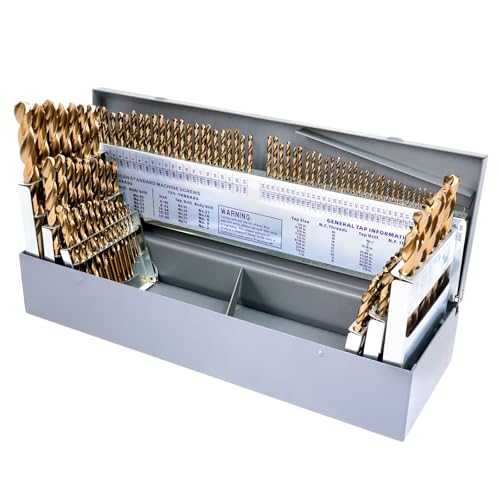 SEDIANAS 115 PCS Cobalt Drill Bit SetBest overall
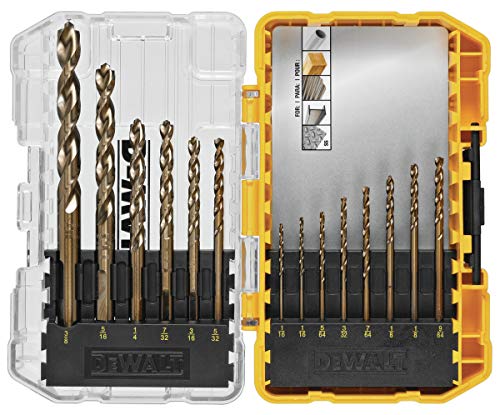 DEWALT DWA1240Fewest pieces, tidy case
 STROTON .M42 steel, 8% cobalt
Cobalt Is a Kind of HSS, Not a Separate Material
The names can be confusing, because a cobalt bit is still high speed steel. Plain HSS is a steel alloy that keeps its edge at the temperatures drilling creates. Cobalt bits start with that same idea and add cobalt to the mix, which raises the steel's resistance to heat.
So when you compare the two, you are really comparing basic HSS with a more heat-resistant version of it. Many cobalt bits are sold as "HSS-Co" for that reason.
You will usually see two grades named on cobalt bit listings. M35 is the common one, and the listings on our comparison page show it with 5% cobalt. M42 is the other, listed with 8% cobalt. A bit labeled only "HSS" has no cobalt in the alloy.
Side-by-Side Comparison
This table sums up the main differences. The figures for cobalt share come from the listings on our cobalt page. The other rows are general tool knowledge, so makers vary.
| Feature | Standard HSS | Cobalt (M35 or M42) |
|---|---|---|
| Cobalt in the steel | None | 5% in M35 listings, 8% in M42 listings |
| Heat resistance | Good for everyday drilling | Higher, which is the main reason to buy it |
| Best materials | Wood, plastic, aluminum, mild steel | Stainless steel, cast iron, titanium alloy, other hard metals |
| Brittleness | Tougher, bends before it breaks | Harder, so it can snap if flexed or dropped |
| Typical drilling speed | Moderate | Slower in hard metal, with steady pressure |
| Best for | General household and workshop jobs | Tough metal jobs and repeated holes in hard stock |
Where Cobalt Bits Pull Ahead
Heat is what dulls a bit. When you drill stainless steel, the metal resists the cutting edge and the tip gets hot fast. A bit that softens loses its edge, and then it rubs instead of cutting. Cobalt steel holds up better under those conditions, which is why it is the usual choice for stainless and other hard metals.
The listings on our cobalt page also point to other hard materials. They name cast iron, high temperature alloy, and titanium alloy as targets for M35 sets. One listing for an M42 set gives a hardness of 68 to 70 HRC, which is the Rockwell scale for steel hardness. Treat a figure like that as the maker's claim and compare it with other listings.
Cobalt bits are also the better pick when you have many holes to make in hard stock. A bit that stays sharp longer means fewer stops to swap or resharpen. If that sounds like your work, see our best cobalt drill bits comparison for sets side by side.
Where Standard HSS Is the Better Choice
Cobalt is harder, and harder steel tends to be more brittle. If a bit flexes sideways, say because you drill at an angle or the workpiece shifts, a cobalt bit can snap where an HSS bit might bend. Small cobalt bits are especially easy to break if you push hard.
For wood, plastic, aluminum, and everyday mild steel, plain HSS does the job. You do not need extra heat resistance when the material is soft and the bit stays cool. Many people keep an HSS set for general jobs and add a small cobalt set for stainless.
Neither type is the right tool for brick, block, or concrete. Those need a different bit design, so look at our best masonry drill bits comparison for that work.
Features to Check Besides the Steel
The steel is only part of the picture. Two cobalt sets can behave differently because of how the tip and body are made. These points matter on both HSS and cobalt bits:
- Split point tip: Our cobalt listings show a 135° split point on most ranked sets. This tip helps a hole start without the bit skating across the surface. One ranked set does not list a split point, so check the spec.
- Coating: Gold oxide, amber, and TiAlN coatings add surface protection. They are a bonus, but the steel grade matters more.
- Shank shape: A three-flat shank grips better in a chuck or impact driver than a plain round shank.
- Set size: Piece counts on our cobalt page run from 14 to 115. The largest sets add letter and numbered sizes on top of the 1/16" to 1/2" fractional range, so pick a smaller set if you only use a few sizes.
- Case: A case with size markings makes it easier to find the bit you want and keep the set complete.
How to Drill Safely and Get Longer Bit Life
Good technique matters as much as the bit. Hard metals punish a rushed approach, and a few habits protect both you and the bit.
Follow these steps for metal work:
- Wear safety glasses. Hot metal chips can fly, and a bit that breaks can send fragments out.
- Clamp the workpiece. Never hold small metal parts by hand, because the bit can grab and spin the piece. Sleeves, loose gloves, and long hair can catch on a rotating chuck, so keep them clear.
- Mark the spot with a center punch so the tip has a dent to start in.
- Start with a small pilot hole in thick or hard metal, then step up to the final size.
- Run the drill at a lower speed for hard metal, and keep steady pressure. Spinning fast with light pressure makes heat and can dull the edge.
- Use cutting fluid or oil on steel and stainless to carry heat away, and back the bit out now and then to clear chips.
- Let the metal cool before you touch it. Both the bit and the hole can be hot.
Which Should You Buy?
Choose cobalt if you drill stainless steel, cast iron, or other hard metals, or if you make many holes in tough stock. Choose standard HSS if most of your work is wood, plastic, aluminum, or mild steel, and you want a bit that tolerates a bit of rough handling.
The drill matters too. Cobalt does its best work with a drill that has speed control and enough torque to hold steady pressure at low speed. If you are not sure your current tool fits, our best drill comparison can help you narrow it down.
Whichever you pick, match the set to your hole sizes. A compact set with the sizes you use is often more useful than a huge set that mostly sits in its case.
Frequently asked questions
Can I use cobalt bits on wood?
Yes. Our cobalt listings name hard plastics and wood among the materials they can cut. But wood does not need the extra heat resistance, so standard HSS is usually enough.
Do cobalt bits need cutting fluid?
They help most when you use it. Oil or cutting fluid carries away heat on steel and stainless, which protects the edge of any bit, cobalt or not.
Are cobalt bits coated cobalt or solid cobalt steel?
The cobalt is mixed into the steel alloy all the way through. A coating such as gold oxide or TiAlN is a separate surface layer, and it can wear off while the alloy underneath stays the same.
Is M42 better than M35?
Our listings show M42 with 8% cobalt and M35 with 5%. A higher cobalt share points to more heat resistance, but hardness, coating, and tip design also affect results, so compare the full specs.
Can I sharpen cobalt bits?
Yes, they can be resharpened on a bench grinder or with a drill bit sharpener. Cobalt is hard, so it takes patience, and you should wear eye protection and keep the tip from overheating.