Common Concrete Mixer Mistakes and How to Avoid Them
The most common concrete mixer mistakes are adding too much water, overloading the drum, mixing for the wrong length of time, setting up on uneven ground, and skipping cleanup. You avoid them by measuring materials, staying within the drum's rated capacity, following a consistent mixing routine, and washing out right after each batch. Basic safety gear and a grounded power supply cover the rest.
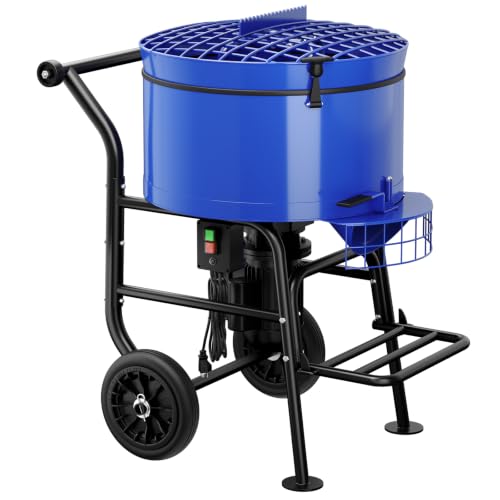 Dkenicor KF100368US-01LHC-001-YIH
 Dkenicor KF100322US-02MLHC-001
 Dkenicor KF100248-02-YH-O
Why mixer mistakes matter
A concrete mixer looks simple: put materials in, let the drum turn, pour out. But small errors during mixing carry straight into the finished slab, footing, or post. Weak spots, cracks, and a rough surface often trace back to how the batch was made, not to the mixer itself.
Most problems fall into three groups: what goes into the drum, how the machine is run, and how it is cared for afterward. The sections below cover each one, followed by a quick reference table and the safety basics.
Mistake 1: Getting the water wrong
Water is the most common problem. Too much makes the mix easy to pour but weakens the hardened concrete. Too little leaves dry pockets and makes the mix hard to place and finish.
The fix is to add water gradually and in measured amounts. Start with less than you think you need, let the drum turn, and only then add small splashes. The mix should look uniform and hold together, without a layer of standing water on top.
Wet sand is another hidden cause. If your sand or gravel is damp from rain, it already contains water, so you need to hold back some of what you would normally add.
Mistake 2: Poor ratios and loading order
Guessing proportions by eye leads to batches that differ from one another. One batch may be rich in cement and the next may be sandy and crumbly. Use a bucket or a marked container for every ingredient, and write down the proportions your bag instructions or project plan call for.
Loading order matters too. A common approach that works well in many drum mixers is the following:
- Add part of the water and the gravel first, with the drum turning.
- Add the cement next, so it coats the aggregate.
- Add the sand.
- Add the remaining water slowly until the mix looks consistent.
Mistake 3: Overloading and running it wrong
Filling the drum past its rated capacity is easy to do when you are in a hurry. An overloaded drum cannot tumble the materials properly, so you get unmixed clumps of cement and aggregate. It also strains the motor, gears, and frame.
Check the capacity listed in the manual or on the product page, and remember that the number usually describes the finished mixed volume, not the dry materials you pour in. When in doubt, mix smaller batches. Several even batches beat one rushed, poorly blended one.
Mixing time is the other half. Cutting it short leaves uneven color and weak patches. Running a batch for a very long time can start to stiffen it, especially in warm weather. Aim for a consistent, uniform look, then pour promptly rather than leaving the batch sitting in the drum.
Mistake 4: Bad setup and skipped cleaning
Set the mixer on firm, level ground. A tilted or wobbling machine mixes unevenly and can tip when the drum is full. Keep it close to where you are pouring so you are not carrying heavy wheelbarrow loads over long distances.
Cleaning is where many people cut corners. Concrete that dries inside the drum builds up layer by layer, shrinking the usable space and creating rough spots that grab the next batch. Wash the drum with water and a bit of gravel as soon as you finish, while the residue is still soft. Rinse the blades or paddles and the drum opening too.
Do a quick check before each job as well. Look at the drum, the tilting handle, the wheels, and the power cord. Wear and loose parts are much easier to fix before a batch is inside.
Safety notes you should not skip
Wet cement is caustic and can irritate or burn skin and eyes. Wear gloves, long sleeves, safety glasses, and waterproof boots. A dust mask helps when you pour dry cement, since the fine powder is unpleasant and unhealthy to breathe.
Electric mixers need care around water. Use a grounded outlet protected by a GFCI, keep connections off wet ground, and unplug the machine before cleaning or clearing a jam. Never reach into a drum while it is turning, and keep clothing, hair, and tools away from moving parts. Motors can be loud, so use hearing protection if the noise is tiring or uncomfortable.
Concrete is heavy. Lift with your legs, get help moving full wheelbarrows, and take breaks. Tipping a loaded mixer or a full barrow is a common source of strain injuries.
Quick reference: mistakes and fixes
Use this table as a checklist before you start a batch.
| Mistake | What goes wrong | How to avoid it |
|---|---|---|
| Too much water | Weak, crack-prone concrete | Add water in small amounts and allow for damp sand |
| Guessing ratios | Inconsistent batches | Measure every ingredient with the same container |
| Overloading the drum | Clumps and motor strain | Stay within rated capacity and mix smaller batches |
| Rushing or over-mixing | Uneven or stiffening mix | Mix until uniform, then pour promptly |
| Uneven setup | Poor mixing, tipping risk | Place on firm, level ground |
| Skipping cleanup | Hardened buildup in the drum | Rinse with water and gravel right after use |
Picking a mixer that fits the job
Some mistakes start before you mix anything. A drum that is too small for the project tempts you to overfill it, while an oversized one is awkward to move and clean for a small repair. Match the capacity to the biggest pour you plan, not the average one.
If you are weighing options, our guide to the best concrete mixer compares published specifications side by side. For smaller driveways, garden projects, and occasional repairs, see the best concrete mixer for home use, where ease of handling and storage often matter as much as capacity.
Frequently asked questions
How do I know if my concrete mix is too wet?
A mix that is too wet looks soupy, slumps flat, and may show water pooling on the surface. A good mix holds its shape when scooped and looks evenly coated, without shine from excess water.
Can I leave concrete in the mixer while I take a break?
Only for a short time. Concrete begins to stiffen, and a long pause can leave hardened material stuck to the drum. If the break will be long, empty the drum and clean it first.
Is it a mistake to add water after the mix starts to set?
Yes. Adding water to stiffening concrete to make it workable again weakens the final result. It is better to mix a fresh, smaller batch.
What should I do if a mixer jams?
Turn it off and unplug it or shut off the engine before touching anything. Then clear the blockage with a tool, never your hand, and check that the load was not above the rated capacity.