Can You Wash a Tool Belt? Cleaning Tips by Material
Yes, you can clean a tool belt, but hand washing is the safest method for most of them. Nylon and Oxford fabric belts tolerate mild soap, warm water and a soft brush. Leather and suede should never be soaked or machine washed, so wipe them and condition them instead.
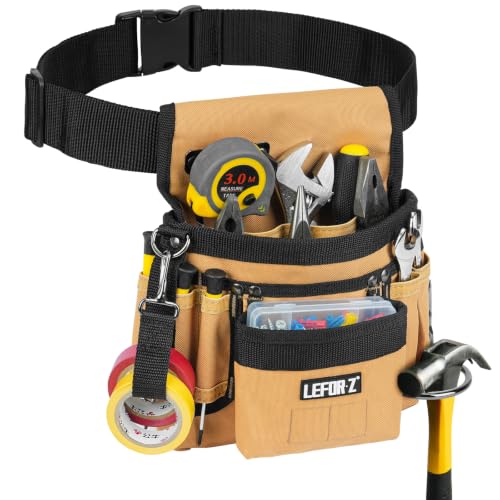 LEFOR·Z L-Single Tool Pouch-A-BK/BN-USBest overall
 UUP Tool belt yellowMagnetic, pocket-rich belt
 LEFOR·Z Heavy Duty Tool Belt-Black-UKSuspenders and widest waist range
Check the material and the tag first
The right method depends on what your belt is made of. Fabric belts and leather belts need very different care, and mixing them up is how people ruin a good belt.
Look for a care tag sewn into the belt or a pouch seam. If there is one, follow it over any general advice here. If there is no tag, treat the belt as hand wash only. Many makers do not publish care instructions, so we cannot say which belts are machine safe.
Our best tool belt comparison lists the material for each product, which is a handy way to see what you are dealing with. For example, the LEFOR·Z 14-pocket model lists tear-resistant nylon, the UUP Magnetic Tool Belt lists Oxford fabric, and the Custom Leathercraft apron lists suede leather.
Prep the belt before any cleaning
A few minutes of prep prevents most damage. It also keeps sharp or heavy items from hurting you or your washer.
Work through this list before you add water:
- Empty every pocket, loop and holder. Check the bottoms of pouches, where nails and screws collect.
- Remove detachable pouches from the belt if the design allows it. Several belts in our lineup have detachable pouches, and cleaning them separately is easier.
- Take off suspenders if they are removable.
- Shake the belt out outdoors or over a trash can to clear sawdust, drywall dust and metal shavings.
- Use a stiff dry brush on dried mud or caked dust before you wet anything.
- Wear cut-resistant gloves if you find loose nails or sharp bits while emptying pouches.
How to hand wash a nylon or Oxford fabric belt
Nylon and Oxford fabric are woven synthetic fabrics, and they handle water well. Hand washing keeps the stitching, rivets and any foam padding in good shape, so it is the method we suggest for most belts.
Fill a tub or sink with warm water, not hot. Add a small amount of mild dish soap or laundry detergent. Avoid bleach, since it can weaken fibers and fade color.
Submerge the fabric parts and let them soak for 15 to 30 minutes. Then scrub gently with a soft brush or sponge, focusing on stained areas and the inside of pouches. Grease and oil stains may need a dab of dish soap worked in with a toothbrush.
Rinse with clean water until no suds remain. Soap left in the fabric attracts dirt and can leave a stiff feel after drying.
Heavily built fabric belts benefit from careful handling. The Gatorback B240 lists 1250 D DuraTek nylon, rivets and bar-tack stitching, and the Klein Tools combo lists 600 D heavy-duty nylon. Tough fabric is not a reason to scrub hard, though. Rough scrubbing can fray the webbing at stress points.
Cleaning leather and suede
Leather and suede do not like soaking. Water can stiffen them, change their color and cause cracking as they dry. Skip the washing machine entirely.
For smooth leather, wipe the surface with a slightly damp cloth and a drop of saddle soap or a leather cleaner. Wipe off the residue, let the leather air dry, then apply a leather conditioner to keep it flexible.
Suede is more delicate. Use a dry suede brush to lift dust and dirt, and a suede eraser for small marks. Avoid wetting it. Heavy grime may need a product made for suede, used as directed on the label.
The Custom Leathercraft work apron in our data lists suede leather with a poly web belt and a metal interlocking buckle. If you own an apron like that, treat the suede with dry methods and handle the web belt separately, since a web belt can be hand washed on its own if the apron allows it to detach.
Quick guide by material
Use this table as a starting point. It is general guidance, so your care tag always comes first.
| Material | Machine wash? | Best method | Avoid |
|---|---|---|---|
| Nylon (including 600 D and 1250 D) | Hand wash preferred | Warm water, mild soap, soft brush | Bleach, hot water, hard scrubbing |
| Oxford fabric | Hand wash preferred | Warm water, mild soap, soft brush | Bleach, high heat drying |
| Ballistic fabric | Hand wash preferred | Warm water, mild soap, rinse well | Harsh solvents |
| Smooth leather | No | Damp cloth, leather cleaner, conditioner | Soaking, direct heat |
| Suede | No | Dry brush, suede eraser | Water, oily conditioners |
| Poly web belt | Hand wash | Soap and water, air dry | Hot dryers |
Magnets, padding, buckles and rivets
Parts other than fabric need a little extra thought. Metal hardware can rust if it stays wet. Rinse it, dry it with a towel, and let it air out fully before you store the belt.
Several belts in our lineup are magnetic, including the UUP Magnetic Tool Belt and the LEFOR·Z models. Keep wet magnet sections away from steel filings so they do not pick up debris while drying. Wipe the magnet areas by hand rather than scrubbing.
Padded belts hold water. The Gatorback B240 uses a ventilated memory foam padded belt. Squeeze foam gently in a towel instead of wringing it, and give it extra drying time. Damp foam left in a closed bag can smell musty.
If you want help picking a belt that is easier to maintain, our tool belt comparison shows which models have detachable pouches and which are single pieces.
Drying and keeping it clean longer
Air dry everything. Hang the belt or lay pouches open in a shaded, ventilated spot. Direct sun and heat can fade fabric, shrink webbing and dry out leather. Do not put a tool belt in a hot dryer.
Make sure the belt is fully dry before you refill it. Damp pouches rust nails and tools quickly.
A quick wipe after messy jobs makes deep washing rare. Shake out debris at the end of the day and brush off dust. Store the belt in a dry place away from chemicals, paint and fuel.
Safety note: if you use a cleaner or conditioner, work in a ventilated area, wear gloves, and keep products away from flames. Never wash a belt with tools still inside.
Frequently asked questions
Can I put a tool belt in the washing machine?
It is risky. Metal hardware can bang around the drum and damage both the belt and the machine, and padding can get waterlogged. If you do try it with a fabric belt, check the care tag first. Hand washing avoids the risk.
How do I get oil or grease out of a fabric belt?
Work a small amount of dish soap into the spot with an old toothbrush, let it sit for a few minutes, then rinse and wash as normal. Test on a hidden area first.
How do I get rid of a musty smell?
Wash the belt, rinse it well and dry it completely in open air. A final airing in a ventilated, shaded spot helps. Never store a belt while it is still damp.
How often should I clean my tool belt?
Brush off dust regularly and do a full wash only when it is visibly dirty, stained or smelly. Frequent heavy washing wears down fabric and stitching faster than normal use.