Can You Wash a Safety Vest? Care Tips That Last
Yes, most safety vests can be washed, and regular cleaning helps keep the fabric and reflective tape easy to see. Check the care label first, then wash in cold water on a gentle cycle with mild detergent, and skip bleach and fabric softener. Air drying is the safest choice, and some vests can go in a dryer on low heat if the label allows it.
 JKSafety 51112LBest overall
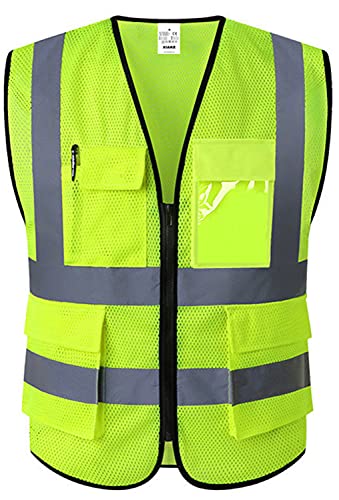 XIAKE 5MSVPlain breathable mesh
 HYCOPROT 162Most pockets listed
Start with the care label
Every vest is a little different, so the sewn-in label or the product listing is your first stop. It tells you the water temperature, whether machine washing is fine, and whether a dryer is allowed. When the label and general advice disagree, follow the label.
Some makers say plainly that a vest is machine washable. Among the vests on our best safety vest page, the JKSafety JK150 and the XIAKE 5MSV both list machine washable in their specs. Other vests do not publish that detail, so look at the label or ask the maker before you toss one in the washer.
Here is what to look for before you wash:
- Water temperature limits, usually cold or warm at most
- Whether machine washing, hand washing or spot cleaning only is advised
- Drying instructions, including any ban on high heat
- Warnings about bleach, softener, ironing or dry cleaning
- Any note on the reflective tape, since it is the part you most want to protect
How to wash a safety vest in a machine
A washing machine is fine for most polyester vests when you keep the cycle gentle. The goal is to clean the fabric without scuffing or heating the reflective strips.
Keep the vest away from rough items. Jeans, zippers and hook-and-loop fasteners from other clothes can scratch the tape and the mesh.
- Empty every pocket. Pens, flagging tape, badges and especially phones, radios or batteries can be damaged or can damage the vest.
- Close the zipper and fasten any hook-and-loop pocket flaps so they do not snag the fabric or other items.
- Pre-treat heavy grease, mud or paint spots with a small amount of mild detergent and a soft cloth.
- Place the vest in a mesh laundry bag, or wash it with a few light, soft items of similar color.
- Wash in cold water on a gentle or delicate cycle with a mild detergent.
- Run an extra rinse if you used more detergent than you needed, since residue can dull the fabric.
Hand washing and spot cleaning
If the label says hand wash only, or if the vest is heavily loaded with stiff pockets and a padded collar, hand washing is the gentler option. Fill a basin with cool water, add a little mild detergent and swish the vest around. Let it soak for a short time, then work on dirty areas with your fingers or a soft cloth.
Avoid scrubbing the reflective tape with a stiff brush. Rinse until the water runs clear, then press out water by squeezing gently. Do not wring or twist the vest, because that can crease the tape and stress the stitching.
For a light mark, spot cleaning may be all you need. Dab with a damp cloth and mild soap, then rinse the spot with a clean damp cloth. This is a good habit between full washes on mesh vests that see a lot of dust.
Can you put a safety vest in the dryer?
Only if the label says so, and then on low heat. Heat is the main enemy of reflective tape, because high temperatures can cause the strips to crack, curl or lose their grip on the fabric. A dryer also tumbles zippers and clasps against the tape.
Air drying avoids those risks. Hang the vest on a hanger or lay it flat, out of direct sun and away from a heater or radiator. Mesh vests tend to dry quickly, while a vest with a heavier front fabric and a padded neck can take longer. Make sure the padded areas are fully dry before you store the vest, so they do not develop a musty smell.
Do not iron a safety vest. Direct heat can damage the tape, and wrinkles do not affect how visible you are.
What to avoid when cleaning
Most care mistakes come from using products or settings that are too harsh. These cause the most trouble:
- Bleach: it can strip the bright color and weaken the tape bond.
- Fabric softener: it can leave a film on the fabric and tape that dulls their appearance.
- Hot water and high heat drying: both can shorten the life of the strips.
- Dry cleaning: solvents may harm the tape, so only use it if the label allows it.
- Wringing, twisting or stuffing the vest into a crowded washer.
- Washing too rarely: dirt and oil on the surface hide the bright color you rely on.
How vest features affect care
The construction of a vest changes how you should treat it. A light polyester mesh vest is usually easy to wash and dries fast. A heavier vest with many pockets and a padded collar needs more attention to pocket contents and drying time.
The table below uses the published specs from our best safety vest comparison. A washing detail marked not listed means the maker does not state it in the data we have, so check the label.
Here is how a few vests compare on features that matter at wash time:
| Vest | Material | Weight | Machine washable | Care-related features |
|---|---|---|---|---|
| JKSafety JK150 | 100% polyester | 0.3 lb | Listed | 9 front pockets with zipper and hook-and-loop closures |
| XIAKE 5MSV | Polyester mesh | 0.397 lb | Listed | Front pockets with zipper and hook-and-loop closures |
| Radians SV55 | Heavyweight polyester front, mesh back | 1 lb | Not listed | Zipper closure and padded neck |
| HYCOPROT 162 | Mixed mesh and solid | Not listed | Not listed | 16 pockets, padded neck and ID window pocket |
When to replace instead of wash
Washing cannot restore a vest that has worn out. A vest only protects you if people can see it, so look it over after each wash. Hold it up in good light and check the fabric color and the tape.
Replace the vest if the reflective strips are peeling, cracked or flaking, if the color has faded to a dull shade, or if stains will not come out and still cover large areas. Torn seams and broken zippers are also reasons to retire a vest. If your employer or site has rules about vest condition, follow those, since they may be stricter than general advice.
When you do shop for a new one, check the ANSI/ISEA 107 class and performance type on the label, and use the care details above to pick a vest that fits how you will clean it.
Frequently asked questions
How often should I wash a safety vest?
Wash it when it looks dirty or smells, and spot clean in between. Visible dirt, oil and dust can hide the bright color, so a vest used in dusty or greasy work may need cleaning more often than one worn for light duty.
Can I wash a safety vest with my regular laundry?
It is better to wash it with similar light items or alone, in a mesh bag. Rough fabrics, zippers and hook-and-loop closures on other clothes can scratch the reflective tape.
Will washing reduce how well the reflective tape works?
Gentle washing should be fine, but harsh treatment can wear the tape down. Hot water, bleach, softener and high dryer heat are the usual causes of damage, so avoid them and replace the vest if the tape looks worn.
Is it safe to wash a vest that has a phone or radio pocket?
Yes, as long as you empty the pockets first. Electronics and batteries should never go in the washer. Check that the pockets are fully dry before you put your gear back in.