Can You Test Fuses With a Multimeter? Yes, Here's How
Yes. A multimeter is one of the easiest ways to check a fuse. Set it to continuity (or resistance), touch the probes to both metal ends of a fuse that has been removed from its circuit, and a good fuse beeps or reads near zero ohms. A blown fuse stays silent and reads open.
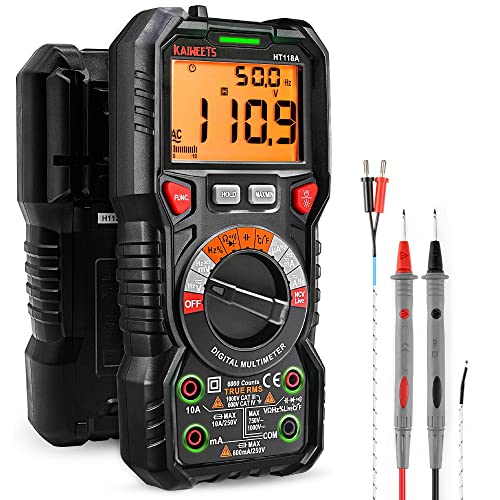 KAIWEETS HT118ABest overall
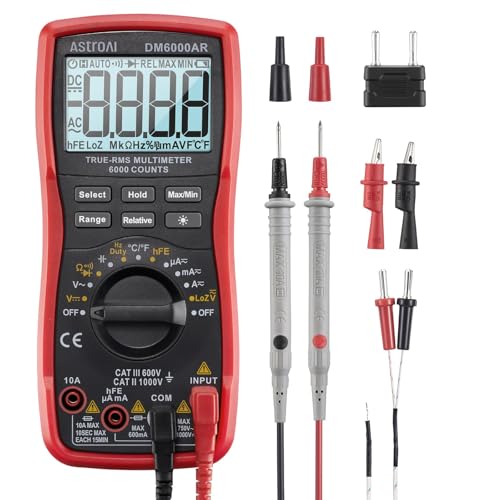 AstroAI DM6000ARBest for cars and home
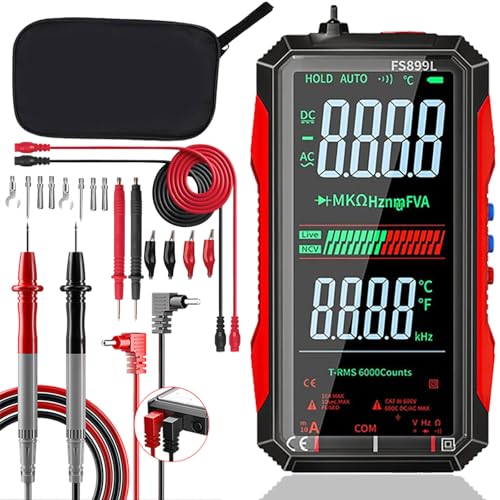 ZMIWNIED F899LBiggest screen
Why a multimeter works for fuses
A fuse is a thin piece of metal designed to melt when too much current flows. When it is healthy, electricity passes through it with almost no resistance. When it blows, that path is broken, and the fuse becomes an open circuit.
A multimeter can tell the difference between those two states in seconds. That is why fuse testing is one of the first jobs people learn with the tool. Our best multi meter page lists outlets, batteries, fuses, switches and car electrics as the everyday tasks a digital meter handles.
What you need before you start
You do not need a fancy meter for this. Any digital multimeter with a continuity or resistance setting will do the job. Auto-ranging helps because you do not have to pick a resistance range yourself, and a backlit screen is handy when the fuse box sits in a dark corner.
Gather these items first:
- A digital multimeter with continuity (the beep symbol) or ohms setting
- Test leads in good shape, with no cracked insulation
- A fuse puller or insulated pliers for removing fuses
- A flashlight if you are working in a panel or under a dashboard
- A replacement fuse with the same amperage and voltage rating
Method 1: Continuity test (the fastest way)
This is the preferred method for most people because the beep gives you an instant answer without looking at the screen. It works on glass, ceramic and blade fuses.
Follow these steps with the fuse removed from the circuit:
- Turn off the device, appliance or vehicle, and unplug it or disconnect power. For household panels, switch off the breaker feeding the circuit.
- Pull the fuse out using a fuse puller or insulated tool.
- Turn the meter dial to the continuity setting, which usually shares a position with the diode symbol.
- Touch the two probes together. The meter should beep. This confirms the meter and leads are working.
- Touch one probe to each metal end of the fuse. For a blade fuse, touch the two exposed metal tabs on top.
- Listen and watch. A beep means the fuse is good. Silence means the fuse is blown.
Method 2: Resistance (ohms) test
If your meter has no continuity beep, use the resistance setting instead. The steps are the same as above, but you read a number instead of listening for a tone.
Set the dial to ohms, touch the probes to each end of the removed fuse, and read the display. A good fuse shows very low resistance, close to zero. A blown fuse shows an overload reading, often displayed as OL or a lone 1 on the left side of the screen.
Lower-ohm readings on small fuses can wander by a fraction of an ohm because of lead resistance. Touch the probes together first to see your baseline, and you will know what normal looks like on your meter.
How to read your results
The table below sums up what each reading tells you.
Keep in mind that a fuse that tests good does not always mean the circuit is fine. If a fuse keeps blowing, something downstream is drawing too much current, and swapping in a new fuse only hides the cause.
| Meter mode | Good fuse | Blown fuse |
|---|---|---|
| Continuity | Steady beep | No beep |
| Resistance (ohms) | Near zero ohms | OL or overload |
| Voltage across fuse (powered circuit) | Close to zero volts | Close to full circuit voltage |
Testing a fuse in place with voltage
Sometimes you cannot easily pull a fuse, such as in a tight automotive fuse box. In that case you can check it while it is installed by measuring voltage instead. Never use continuity or resistance mode on a fuse in a live circuit, because those modes can damage the meter and give false readings.
Set the meter to DC volts for car circuits, or AC volts for household circuits, and the circuit powered on. Touch the probes to the two test points on top of the fuse. If the fuse is good, you should see close to zero volts across it. If it is blown and the circuit is trying to draw power, you will see close to the full circuit voltage.
Only do this on household circuits if you are comfortable working near energized parts. If you are unsure, switch off the power and remove the fuse instead. A meter with a CAT III rating is the right choice for household panel work, as covered on our best multi meter guide.
Safety notes and common mistakes
Fuse testing is low risk when you follow the basics, but a few habits matter.
Always turn off and disconnect power before pulling a fuse from a household appliance or panel circuit. Hold insulated tools, keep one hand away from metal when possible, and never touch both probe tips with bare fingers during a voltage check. Wear safety glasses when working around panels, since a short can throw sparks.
Replace a blown fuse only with one of the same amp and voltage rating. A higher-rated fuse can let wires overheat, which is a fire risk. Never bridge a fuse with foil or wire.
Your meter has fuses too. Many meters protect their current inputs with ceramic fuses. For example, the AstroAI DM6000AR lists F600mA/250V and F10A/250V ceramic fuse tubes, and the KAIWEETS HT118A uses a double ceramic fuse. If your meter stops reading current, its own fuse may be blown, and you can test it the same way, with continuity mode.
Finally, do not push the probes into the wrong jacks. Keep the leads in the voltage and ohms jacks for fuse tests, not the current jack.
Choosing a meter for the job
For fuse checks alone, almost any digital meter works. If you want one tool for fuses, outlets, batteries and car wiring, look for auto-ranging, a CAT III rating for household circuits and a backlit screen. A flashlight and a kickstand also make dark fuse boxes easier to work with.
Our best multi meter comparison puts several models on one spec sheet so you can weigh counts, safety ratings and extras side by side. For example, the KAIWEETS HT118A is listed with auto-ranging, True RMS, a CAT III 1000V rating, non-contact voltage detection, a backlight and 6000 counts.
Frequently asked questions
Can I test a fuse without removing it?
Yes, but only by measuring voltage across it with power on. Continuity and resistance tests need the fuse out of the circuit, otherwise other parts of the circuit can skew the reading or damage the meter.
What does OL mean on my multimeter?
OL stands for overload or open loop. On a fuse test it means there is no complete path through the fuse, so the fuse is blown.
Can I tell a fuse is blown just by looking at it?
Sometimes. A glass fuse may show a broken wire or a dark smudge inside. Ceramic and many blade fuses are hard to judge by eye, so a meter check is more reliable.
Why does my new fuse keep blowing?
The circuit is likely drawing more current than the fuse allows, often from a short or a failing device. Find and fix the cause before trying another fuse.
Does a good fuse reading mean the circuit works?
No. It only shows the fuse itself is intact. Wiring, switches or the device may still have a fault.