Can You Store a Cement Mixer Outside? Care Tips
Yes, you can store a cement mixer outside if you have no other choice, but only when it is fully cleaned, dried, raised off the ground and covered. Outdoor storage works for days or weeks. For whole seasons, a shed, garage or other dry indoor space protects the motor, drum and moving parts much better.
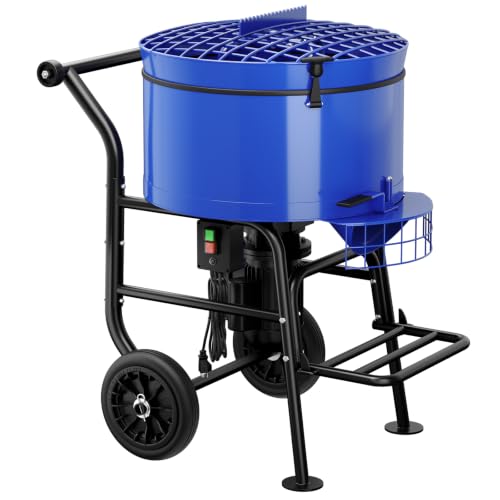 Dkenicor KF100368US-01LHC-001-YIH
 Dkenicor KF100322US-02MLHC-001
 Dkenicor KF100248-02-YH-O
When outdoor storage is acceptable
Many home builders and DIYers do not have a spare garage bay, so a mixer ends up beside the house or in the yard. That is workable if you treat it as temporary and prepare it properly. A mixer that is clean, dry and covered will cope far better than one left as it was after the last batch.
Think of outdoor storage as a short-term plan. Overnight, between weekend jobs, or through a dry spell is fine with the right prep. A whole winter in the open is a different story, and you should plan to move the machine under cover for that.
- Short breaks between pours: outdoors is fine with a cover.
- A few weeks of dry weather: outdoors is fine if the mixer is raised and covered.
- Rainy or freezing seasons: move it indoors if you can.
- Long gaps between projects: store it indoors, with the cleaning steps below done first.
What weather does to a mixer
A cement mixer is mostly steel, with a motor, a gearbox or drive, and bearings or bushings where the drum turns. Each part has its own weak point outdoors.
Moisture is the main enemy. Water that sits in the drum and on the frame leads to rust, and leftover cement residue holds damp against the metal. Water that gets into an electric motor or its switch can cause damage and creates a shock hazard. Frost can crack trapped water in small cavities, and sunlight can harden and fade plastic parts, cables and tires over time.
Wet ground is a quieter problem. Wheels and low frame parts that sit in mud or puddles rust faster and can seize or stick to the ground after a freeze.
Clean it before you put it away
Cleaning matters more than any cover. Wet cement left in the drum sets hard and builds up in layers, which makes the mixer harder to use and harder to clean next time. Do the work right after your last batch, while the residue is still soft.
Follow these steps:
- Unplug an electric mixer, or switch off a petrol one and let it cool, before you do anything else.
- Tip out any leftover mix into a bucket or onto a board, not down a drain.
- Add water and a handful of coarse gravel or similar rinse material, then run the drum so the loose material scrapes the walls.
- Pour out the slurry in a suitable spot, rinse the drum again and tip it to drain fully.
- Wipe the outside of the frame and drum, keeping water away from the motor, switch and cable connections.
- Let everything dry in open air before you cover it.
- Add a thin coat of grease or a release product on the drum's outside if you like, to make future cleanup easier.
Cover it and get it off the ground
Once the mixer is clean and dry, tilt the drum so the opening faces down or sideways. That stops rain from collecting inside. Then raise the machine a little: set the wheels or feet on boards, pavers or blocks so they are not sitting in standing water.
Use a breathable cover rather than a sealed plastic wrap. A waterproof tarp or purpose-made machine cover works well if it hangs loosely and lets air move underneath. A tightly wrapped sheet traps condensation and can cause the same rust you were trying to avoid. Tie the cover down so wind cannot pull it off, and keep it clear of the motor vents.
Pick a sheltered spot if you can, such as against a wall, under an eave or beside a fence. Level, well-drained ground is best. If the mixer has an electric cable, coil it and keep the plug off the ground and out of any damp.
Electric versus petrol storage
The type of mixer changes what you need to watch. Electric mixers are most sensitive to water around the motor and switch. Petrol models add fuel and engine concerns. Check your owner's manual for exact guidance, and see our best concrete mixer comparison if you are still choosing between types and want to think about where it will live.
| Mixer type | Main outdoor risk | Key storage step |
|---|---|---|
| Electric | Water in the motor, switch or plug | Keep the motor dry, cover loosely, and store the cable off the ground |
| Petrol or gas engine | Stale fuel, moisture in the engine, rust | Follow the engine maker's storage advice for fuel, and keep the engine covered |
| Manual or hand-cranked | Rust on the drum and frame | Clean, dry and cover; keep the frame off wet ground |
Winter and long-term storage
If the mixer will sit unused for months, upgrade your approach. Indoor storage is the best choice, but a sturdy shed with a dry floor also works. Before storing, clean the drum, check bolts and the tire pressure, and look over the cable for cuts or damage.
Lubricate pivot points and the drive parts as your manual recommends. If a tilt wheel or handle moves stiffly, fix it now rather than during your next project. A quick test run before storage helps you catch problems while there is time to order parts.
If you find the mixer is too bulky or worn to store well, it may be time to look at a newer model. Our best concrete mixer page compares published specifications, which can help you pick one whose size and weight suit your storage space.
Safety notes
Treat storage and cleaning as part of the job, with the same care as mixing.
Always unplug an electric mixer before cleaning, and never spray water onto the motor or plug. Use a weatherproof outdoor socket with proper protection, and have any damaged cable replaced before use. For a petrol engine, let it cool before covering it, store fuel in an approved container away from ignition sources, and never run the engine in an enclosed space because exhaust gases are dangerous.
Wear safety glasses and gloves when cleaning out wet or dried cement, since it can irritate skin and eyes. Wear hearing protection when running a mixer for cleaning. Lift or tip a heavy mixer with a helper to protect your back.
Frequently asked questions
Can I leave a cement mixer outside in the rain?
A brief shower is unlikely to cause lasting harm if the drum is clean, but you should not make a habit of it. Keep the opening facing down, cover the machine, and dry it as soon as the weather clears.
Should I store the mixer with the drum upright or tipped?
Tip it so the opening points down or sideways. That lets any water drain out and stops debris, leaves and rain from collecting inside.
Is a plastic tarp enough protection?
It helps, but only if you leave it loose enough for air to move. A tight wrap can trap damp air against the metal, so add a gap at the bottom.
How do I stop cement from sticking in the drum?
Rinse the drum right after you finish, while the mix is still wet. A thin layer of grease or release product on the outside can also make dried splashes easier to remove.
Do I need to do anything different for an old mixer?
Check it more often. Look for rust patches, loose bolts, worn cables and stiff moving parts, and repair them before you store the machine.