Can You Reuse or Wash Dust Masks? How Long They Last
You can often reuse a disposable dust mask for light, short jobs if it stays clean, dry and snug, but you should not wash it. Washing damages the filter material. A reusable respirator is different: you can wash the rubber facepiece, but the filters get replaced, not washed. How long any mask lasts depends on the dust, the hours worn and how well it seals to your face.
 3M 62023HA1-CBest overall
 3M 65023QLH1-DCQuickest on and off
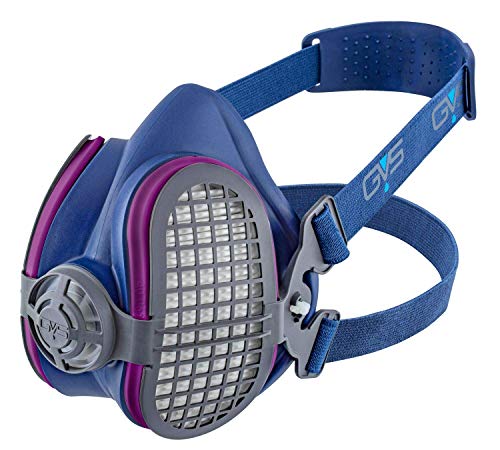 GVS SPR451Best for glasses wearers
Can you reuse a disposable dust mask?
Sometimes, but it depends on the job. A disposable mask is built to filter particles while you work, and the filter loads up with dust as you breathe through it. Two things decide whether it is still usable: whether the mask still seals to your face, and whether it is still easy to breathe through.
For light dust, such as a quick sweep of the garage, a clean and undamaged mask can be worn again. For heavy dust from sanding, cutting or demolition, treat the mask as finished at the end of the job. A mask that has caught a lot of fine dust is harder to breathe through and gives you less margin.
Never reuse a disposable mask after exposure to hazardous material such as asbestos, lead dust or mold. Those jobs call for the right respirator, correct disposal and, often, a professional. Our data also notes that a disposable KN95 style mask is made for daily wear, not for shop dust, so it is a poor fit for sanding projects to begin with.
Can you wash a dust mask?
No, not a disposable one. Soap, water, heat and alcohol can break down the fibers and the electrostatic charge that helps these masks trap fine particles. A washed mask may look fine and still filter far worse. Washing can also stretch the straps and warp the nose clip, which hurts the seal.
Reusable respirators are a different case. Their rubber or silicone facepiece can be cleaned. The particulate filters and cartridges are not meant to get wet, so you remove them first or replace them afterward. Always follow the maker's instructions, because harsh cleaners and hot water can damage the facepiece material.
How to tell when a mask has had its day
There is no single number of hours that fits every mask and every job. Instead, check the mask each time you put it on and replace it if you see any of these signs:
- Breathing feels harder than when the mask was new.
- The mask is wet, dirty, torn, crushed or out of shape.
- The straps are stretched or the nose clip no longer holds.
- You smell or taste something while wearing it, which can mean a vapor cartridge is spent or the seal has failed.
- You can feel air leaking around the edges, or your glasses fog up.
- The mask has been in contact with oil, paint or chemicals it was not made for.
Cleaning a reusable respirator the right way
If you use a half-face or full-face respirator, a simple routine keeps the facepiece in good shape. Work in a well-ventilated area and wear gloves if the mask has been exposed to anything nasty.
- Take off the filters or cartridges and set them aside. Do not wash them.
- Wash the facepiece in warm water with mild soap, using a soft brush or cloth.
- Rinse well so no soap residue stays on the sealing edge.
- Let it air dry fully away from direct heat and sunlight.
- Check the valves and straps for cracks, warping or stretching.
- Refit the filters and store the respirator in a clean, sealed bag or container.
What our spec data says about filter life
Our best dust mask comparison lists whether each respirator has replaceable filters, which is the feature that makes a mask reusable in practice. The details below come from the published specs and listings, not from our own wear testing. The filter-life notes are about storage and shelf life, not hours of use.
The GVS Elipse P100 half masks weigh 0.4 lb and list replaceable filters. Their listing says the filters last up to 5 years, which describes the filter's stated life, not how many hours you can wear it in dusty conditions. The 3M P100/OV/AG model also lists replaceable filters, and its listing says to follow the maker's time use restrictions when oil aerosols are present.
The Tesoro Moda S-100 full-face respirator lists replaceable filters too. Its listing says the date printed on the filter package is the manufacture date, and the filters expire 3 years after that date. Check the date before you buy and again before you use stored filters.
| Mask type from our data | Reusable? | Filter or shelf-life note |
|---|---|---|
| GVS Elipse P100 half masks (0.4 lb) | Yes, replaceable filters | Listing says filters last up to 5 years |
| 3M P100/OV/AG respirator | Yes, replaceable filters | Follow time use restrictions with oil aerosols; workplace use only |
| AirGearPro G-500 half mask (0.2 lb) | Yes, replaceable filters | Replace filters at the end of their life |
| Tesoro Moda S-100 full face | Yes, replaceable filters | Filters expire 3 years after the printed manufacture date |
| 50-pack disposable KN95 style masks | Made for daily wear | 95% efficiency; not meant for workshop dust |
Picking a mask that fits how you work
If you sand, saw or grind often, a reusable respirator with replaceable filters usually makes more sense than a stack of disposables. You swap the filter when it is spent, and the facepiece stays in service. For woodworking, a particle-only P100 mask is simpler and lighter than one with vapor cartridges. Our dust-only P100 pick lists 99.97% filtration and eyewear compatibility.
If you work with paint, solvents or cleaners, you need organic vapor or acid gas protection, and those cartridges wear out differently from dust filters. Several respirators on our list are marked for workplace or occupational use only, so read the intended use line closely.
Whichever mask you choose, a good seal matters more than reuse. Facial hair, a loose strap or a warped facepiece can let unfiltered air in. For more on ratings, fit and eyewear, see our dust mask comparison.
Safety notes
A mask protects your lungs only. Sanding, cutting and grinding also call for safety glasses or goggles and, with power tools, hearing protection. Check that your mask works with your eyewear, because a poor fit can break the seal.
Do not use a dust mask against fumes, gases or hazardous dust it was not made for. If you are dealing with asbestos, lead paint or heavy mold, stop and get proper guidance before you start.
Frequently asked questions
Can I microwave or bake a dust mask to disinfect it?
No. Heat can warp the nose clip, melt parts of the mask and damage the filter fibers. If a mask is dirty or you are worried about it, replace it.
How should I store a mask between uses?
Keep it in a clean, dry, breathable container or paper bag away from dust, sunlight and chemicals. Do not crush it in a toolbox, and do not leave it hanging in a dusty workshop.
Do unopened filters expire?
Many do. Some listings give an expiry period, such as the 3 years after the manufacture date noted for the Tesoro Moda S-100 filters. Check the date on the package.
Can I share a mask with someone else?
It is better not to. A mask is fitted to one face, and sharing it hurts both hygiene and the seal.
Should I replace a reusable respirator's filters on a schedule?
Follow the maker's guidance, and also replace them when breathing gets harder, when they are damaged or wet, or when you notice odor or taste with vapor cartridges.