Can a Reciprocating Saw Cut Metal and Steel?
Yes. A reciprocating saw can cut metal, including mild steel, pipe, angle iron, and sheet steel, as long as you fit a blade made for metal. The saw supplies the motion, and the blade decides what it can cut, so blade choice matters more than anything else.
 HORUSDY 97394Best overall
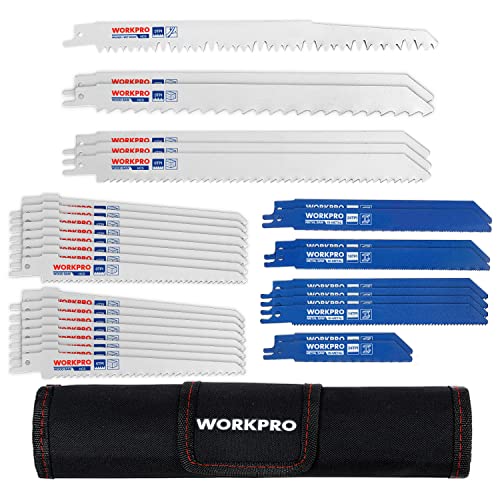 WORKPRO W000501AHighest cut capacity listed
 SEDY 86501Compact 10-piece starter
Why the blade matters most
A reciprocating saw drives a blade back and forth in a fast push-pull stroke. The tool itself does not care what the blade is cutting. A wood blade will dull or lose teeth in seconds on steel, while a metal blade is built to shear it cleanly.
Metal-cutting blades have many small teeth, which keeps several teeth in contact with the work at once. They are also made from tougher steel, such as bi-metal, or have carbide teeth for harder jobs. If you want help choosing, our best reciprocating saw blades for metal page compares published blade specifications side by side.
What metals a reciprocating saw can cut
Most home and trade jobs fall into a few familiar categories. A reciprocating saw is popular for demolition and rough cuts because it reaches awkward spots and does not need a clean, finished edge.
Here is a general guide to how different materials behave:
- Thin sheet metal: cuts easily, but it can vibrate and bend, so clamp it down.
- Pipe and conduit: a common job, especially for cutting old plumbing or posts.
- Angle iron, rebar, and bolts: doable with a coarse-to-medium tooth metal blade and steady pressure.
- Mild steel plate and bar: possible, but slower and harder on blades.
- Stainless steel and hardened steel: very tough on blades. Expect slow cutting, and consider carbide-tooth blades.
Matching the blade to the job
Blade teeth are counted as teeth per inch, or TPI. For metal, the main rule is that thin material needs more teeth and thick material needs fewer. As a rule of thumb, you want at least a few teeth touching the cut at all times, so the teeth do not snag and chatter.
Blade material also matters. Bi-metal blades are a common general choice for steel and pipe. Carbide-grit or carbide-tooth blades handle harder, abrasive work, though they cost more to replace, so they suit tougher jobs.
| Material | Typical blade approach |
|---|---|
| Thin sheet metal | Fine teeth, high TPI, clamp the work |
| Pipe and tubing | Medium-fine teeth, bi-metal |
| Angle iron, bolts, rebar | Medium teeth, bi-metal or carbide |
| Thick steel bar or plate | Coarser teeth for the thickness, bi-metal, slow steady cutting |
| Stainless or hardened steel | Carbide-tooth blade, low speed, lubricant |
How to cut steel with a reciprocating saw
Good technique protects your blades and gives you better control. Follow these steps:
- Clamp or secure the metal so it cannot move or vibrate.
- Mark your cut line clearly.
- Fit a metal-rated blade and make sure it is tight in the chuck.
- Rest the saw's shoe (the flat guide plate) firmly against the metal.
- Start the cut at a low speed to form a groove, then raise speed gradually.
- Let the blade do the work with steady, moderate pressure.
- Use a drop of cutting oil on thick or hard steel to reduce heat.
Safety before you cut
Metal cutting throws hot, sharp chips and can be loud. Wear safety glasses or goggles, hearing protection, and cut-resistant gloves. Keep loose sleeves and hair away from the blade.
Freshly cut metal edges are sharp and can be hot, so let the piece cool and deburr it before handling. Never cut into pipes that may be pressurized or contain gas, water, or fuel. Before cutting into walls, floors, or old structures, check for live wires and gas lines. For corded saws, keep the cord clear of the blade, and unplug or remove the battery before you change blades.
When another saw is the better choice
A reciprocating saw is quick and versatile, but it is not the most precise tool for metal. Cuts are rougher and the blade can wander on thick material. For repeated, straight cuts in bar, tube, or stock, a band saw gives cleaner results. Our best band saw for metal page compares options, and the matching best band saw blades for metal page covers blades for them.
If you have only a few small cuts and no power tool, a manual option may be enough. See our best hand saw for cutting metal comparison for those choices. For masonry and concrete work, you will need a different blade entirely, covered in our best reciprocating saw blade for concrete guide.
Frequently asked questions
Can I use a wood blade to cut metal?
No. Wood blades have large, soft teeth that dull quickly and can snag on metal. They can also throw the saw about and be unsafe. Always use a blade rated for metal.
Why does my blade keep breaking or dulling on steel?
Common causes include too few or too many teeth for the thickness, pushing too hard, cutting too fast, and letting the metal vibrate. Clamp the work, slow down, and use cutting oil on thick steel.
Should I use the orbital setting on metal?
Usually not. Orbital action is meant for fast, aggressive cuts in wood. For metal, a straight stroke is generally better because it gives a smoother, more controlled cut.
Can a cordless reciprocating saw cut steel?
Yes, cordless models can cut pipe, angle iron, and sheet steel with the right blade. Thick or hard steel will drain the battery faster, so keep a spare on hand.