Can a Burglar Open a Deadbolt Lock? What Really Protects Your Door
Yes, a determined burglar can get past almost any deadbolt, but a well-chosen one makes the job slow, loud and unappealing. A deadbolt is worth having, especially when it carries a published security grade and is paired with a solid door and a reinforced frame. On its own, though, it is one layer of protection, not the whole answer.
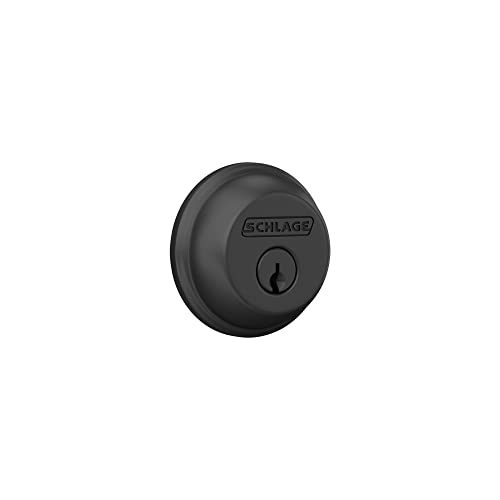 SCHLAGE B60N622Best overall
 BESTTEN DK1-ET-SNDurable keyed knob
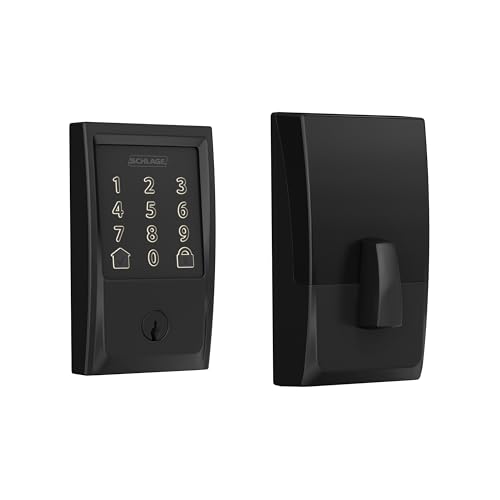 SCHLAGE BE489WBCEN622Smart lock with alarm
What a deadbolt can and cannot do
A deadbolt is a solid metal bolt that slides deep into the door frame. Unlike a spring latch in a standard doorknob, it cannot be pushed back with a thin piece of plastic. That alone stops the easiest entry methods.
No lock is unbeatable, though. Locks are meant to buy time and raise the effort needed. Most burglars want a quick, quiet entry, and a door that resists them for even a minute or two can make them move on to an easier target.
So the honest answer to "is it safe to just have a deadbolt" is this: it is a good start, but its real strength depends on the lock's quality, how it is installed, and what it is mounted into.
How burglars get past deadbolts
Knowing the common failure points helps you fix them. In most cases the lock is not the part that gives way. The weak spot is often the wood around it.
Here are the main ways a deadbolt gets defeated, in general terms:
- Force: kicking or shoving the door until the frame splits around the strike plate. The bolt stays extended, but the wood holding it breaks.
- Lock manipulation: picking or bumping a cheap cylinder, which relies on pins that are easy to defeat on low-quality locks.
- Drilling or striking the cylinder: aiming to destroy the internal mechanism or snap the cylinder on weaker designs.
- Gaps and leverage: prying at a loose door edge or a poor fit, which is more likely when the lock does not match the door.
- Easy bypasses: unlocked doors, hidden spare keys, or a nearby window or glass panel that lets someone reach the inside thumb turn.
| Weak point | Why it matters | What helps |
|---|---|---|
| Short or thin strike plate screws | Frame splits under a kick | Longer screws that reach the wall stud |
| Basic or unrated cylinder | Easier to pick, drill or snap | Look for a published security grade |
| Poor fit to the door | Gaps and loose parts invite prying | Match thickness and backset before buying |
| Glass near the lock | Someone can reach the inside turn knob | Keyed deadbolt on glass doors, or add a barrier |
| Hidden spare key | Defeats the lock without effort | Give a spare to a trusted person instead |
What makes one deadbolt harder to beat
Start with the security grade. It is the clearest published sign of how a deadbolt holds up to force. On our best deadbolt comparison, Grade 1 is the top grade listed, and Grade 3 appears on two models. Many makers publish no grade at all, which leaves you unable to compare break-in resistance.
Design details matter too. The Schlage B60N622, for example, is listed as Grade 1 with a 1-inch deadbolt, a hardened steel spinning pin, anti-drill plates and anti-pick pins. Those features target drilling, sawing and picking. It also includes an integrated strike reinforcer with 3-inch screws, which addresses the kick-in problem described above.
When you compare locks, check these points:
- A published security grade, not just words like "heavy duty" or "secure".
- Anti-drill and anti-pick features, if the maker lists them.
- A strike plate and screws that are included and meant for reinforcement.
- A cycle rating for wear. Only 8 of the 31 products on our page publish one, so a missing number is common. Treat it as a durability hint, not a security grade.
- A warranty. The Schlage B60N622 lists a limited lifetime mechanical and finish warranty.
Fit and type: the quiet part of security
A lock that does not fit the door does not secure it. Measure door thickness and backset before you buy. Most models on our page fit doors 1.375 in to 1.75 in thick and 2.375 in to 2.75 in backset. The Schlage B60N622 fits up to 1.875 in thick, and the Philips 4200 Series smart deadbolt fits up to 2 in.
Be careful about lock type as well. Some products in our lineup look similar but are not true deadbolts. The BESTTEN keyed lock is a knob lock, and the KNOBWELL levers are interior privacy locks meant for bedrooms and bathrooms. They are not suitable for an exterior door.
Smart deadbolts add codes and alerts. The Schlage Encode lists up to 100 access codes and a built-in alarm for door movement and forced-entry attempts. That can tell you something is wrong, but it does not make the door itself stronger. A keyed model has fewer parts and needs no batteries or WiFi, so choose based on who needs access and how often.
Strengthen the door around the lock
Because force is a common way in, the door and frame deserve as much attention as the lock. These steps are all do-it-yourself friendly and use basic tools.
Work through them in this order:
- Check the door itself. A hollow or thin door can be split or cracked. A solid door holds the lock better.
- Replace the short strike plate screws with 3-inch screws that bite into the wall stud behind the frame.
- Install a reinforced strike plate, or use the strike reinforcer that comes with some deadbolts.
- Confirm the bolt extends fully into the frame and the door closes without rattling or gaps.
- Add a second layer if needed, such as a door reinforcement kit for the lock area or a wide-angle viewer so you can see who is outside.
Safety notes before you install or upgrade
Wear eye protection when drilling or driving long screws into the frame, and hearing protection if you use a power drill for a long time. Use a stable ladder or step stool if you work near the top of a tall door, and keep your weight centered.
If you install a smart lock, use the correct batteries and follow the maker's instructions. Keep any spare key with someone you trust, not under a mat or planter.
Think about fire exits too. Inside, you should be able to open the door quickly without a key. Locks that require a key on both sides can trap people in an emergency, so a thumb turn inside is the safer choice for most homes.
So, is a deadbolt enough?
A deadbolt is a strong first layer, especially a graded one that fits properly and is mounted into a reinforced frame. Pair it with good habits: lock the door every time, keep windows and glass in mind, and do not leave a key where it can be found.
If you are shopping, our deadbolt comparison page puts grades, fit ranges, cycle ratings and weights on one spec sheet, and flags which products are true deadbolts and which are not.
Frequently asked questions
Does a double-cylinder deadbolt make a home safer?
It helps when there is glass near the lock, since someone cannot simply reach in and turn a thumb turn. The tradeoff is that you need a key to leave, which can slow an emergency exit. Many households prefer a single-cylinder model with a barrier on the glass.
Are smart deadbolts easier to break into?
Not by default. A smart lock still has a physical bolt, so the same door, frame and fit rules apply. Look for a published security grade, and treat features like alarms and alerts as extras on top of that.
Should I replace a deadbolt that has no listed grade?
Not necessarily, but without a grade you cannot compare its break-in resistance with other models. If the lock is loose, worn or sticks, replacing it with a graded one is a sensible upgrade.
Does a second deadbolt add protection?
It can add a second point where force is needed, but only if the door and frame are strong enough to hold both. Reinforcing the frame usually gives more benefit than adding more locks to a weak door.