Are Cobalt Drill Bits Good for Wood and Concrete?
Cobalt drill bits will drill wood, but they are built for stainless steel and other hard metals, so they are not the best choice for clean woodwork. They are not good for concrete at all. Concrete and brick need a carbide-tipped masonry bit, ideally in a hammer drill.
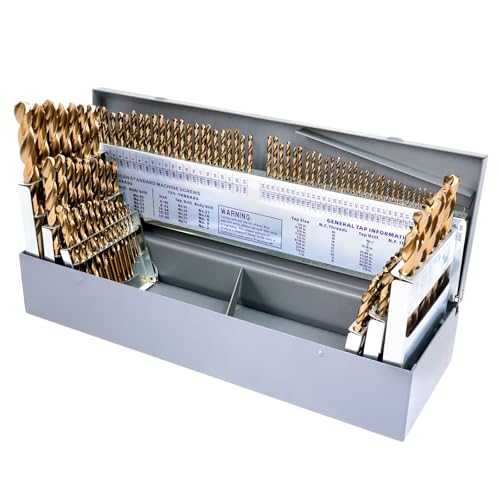 SEDIANAS 115 PCS Cobalt Drill Bit SetBest overall
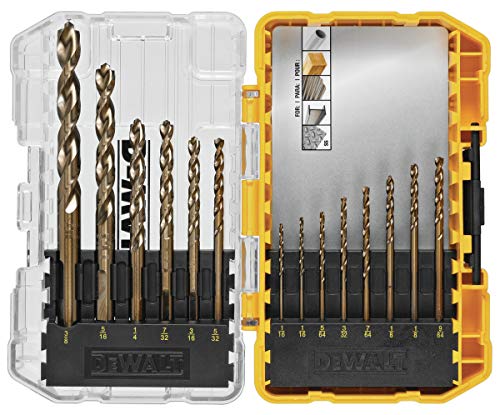 DEWALT DWA1240Fewest pieces, tidy case
 STROTON .M42 steel, 8% cobalt
The short version
Cobalt is a type of high speed steel with cobalt added so it holds up to heat. That is a big advantage when you drill stainless steel, where heat is what dulls a bit. Wood and concrete are different problems, and heat resistance is not what solves them.
In wood, a cobalt bit works but lacks the features that give clean holes. In concrete, the cutting edge is simply too soft for the job. The table below sums it up.
Cobalt bits at a glance
Here is how cobalt compares with the bit types most people reach for in each material.
| Material | Cobalt bit | Better choice |
|---|---|---|
| Stainless steel and hard metal | Excellent fit | Cobalt |
| Softwood and hardwood | Works, but rougher holes | Brad point or spade bit |
| Plywood and veneered boards | Can tear the surface | Brad point bit |
| Concrete, brick, block | Poor fit, dulls fast | Carbide-tipped masonry bit |
| Plastic | Usually works at low speed | Standard twist bit |
Are cobalt drill bits good for wood?
They can drill wood, and some listings on our cobalt page name wood among the materials the bits can handle. The 115-piece sets and the CaRoller 29-piece set all say so. So if you have a cobalt set in your toolbox and need a quick hole in a stud or a scrap board, it will get the job done.
The trouble is that a cobalt bit is made for metal. Its 135° split point, which our cobalt page lists on most ranked sets, is great for starting a hole in slick steel without wandering. Wood bits use different tips. A brad point has a center spur that locates the hole and scores the fibers before the cutter arrives, which is why it leaves a crisp edge.
A metal bit has no such spur. That means the exit side of the hole can splinter, and thin or veneered boards are at higher risk of tearing. Cobalt is also harder and more brittle than the plain steel used in many wood bits, so a bit that catches in a knot can chip or snap instead of flexing.
If you work mostly in wood, buying cobalt for it makes little sense. Put your money toward a drill and a wood-specific set instead. Our best drill page is a good place to start if you also need to upgrade the tool itself.
- Use a slow to moderate speed so the bit does not burn the wood.
- Clamp the work and back it with a scrap board to reduce splintering on the exit side.
- Pull the bit out now and then to clear chips from deep holes.
- Wear safety glasses, because chips and splinters can fly.
Can you use cobalt drill bits on concrete?
You can technically try, but you should not. Concrete contains hard aggregate such as stone and gravel. A cobalt twist bit is made to cut metal by shearing it, and it has no way to crush or chip stone. The tip will wear down quickly, and it can overheat and lose its edge.
Masonry bits solve this with a carbide tip brazed onto the steel body. Carbide is far harder than any high speed steel, cobalt included. The tip is also shaped to pound and chip the material rather than slice it, which is why masonry bits pair so well with a hammer drill.
Even a high-cobalt bit does not change this. Our cobalt page lists M35 with 5% cobalt and M42 with 8% cobalt. A higher share points to more heat resistance, but heat resistance is not the same as the hardness needed to cut stone.
If you need holes in concrete, brick, or block, compare options on our best masonry drill bits page. Look for a carbide tip and a shank that matches your drill.
How to pick the right bit for the job
Start with the material, then match the bit and drill to it. A few quick checks save a lot of frustration.
- Metal, especially stainless or hardened steel: choose cobalt. Our best cobalt drill bits page compares material, piece count, and tip angle.
- Wood: choose a brad point, spade, or auger bit, depending on hole size and depth.
- Concrete, brick, or stone: choose a carbide-tipped masonry bit and a hammer drill setting.
- Mixed work on a single job: keep a small cobalt set for metal and a masonry set for walls, rather than asking one bit to do everything.
- Check the shank: a three-flat shank grips better in a chuck or impact driver, as noted on our cobalt page.
Safety notes
Drilling concrete makes fine dust that can contain silica. Wear a properly rated dust mask or respirator and work with the area ventilated or the dust controlled. Wear safety glasses for every material in this guide.
A hammer drill is loud, so use hearing protection. Before you drill into a wall or slab, check for hidden electrical cable, water pipes, and rebar. If you are unsure what is behind a surface, use a detector or do not drill there.
Hold the drill firmly with both hands, since a bit that jams can twist the tool out of your grip. If you use a corded drill, keep the cord clear of the bit.
When a cobalt set still earns its place
None of this means cobalt is a poor bit. It is the right pick when the material is tough on tools. The SEDIANAS 115-piece listing, for example, includes M35 cobalt with a 135° split point and a holder with size markings, aimed at hard metals. Larger sets like this add letter and numbered sizes alongside the fractional ones.
If your jobs are mostly stainless, cast iron, or other hard metal, cobalt is worth having. If you mostly work in wood and masonry, you will do better with bits designed for those materials.
Frequently asked questions
Will a cobalt bit damage my drill?
No. A cobalt bit fits the chuck like any other bit. The risk is to the bit itself, which wears out fast in concrete, not to the drill.
Can I drill hardwood with cobalt bits?
Yes, at a moderate speed. Expect a rougher hole than with a brad point, and back the board with scrap wood to limit splintering.
Do I need a hammer drill for concrete?
For most concrete, yes. A hammer drill adds a pounding action that helps a carbide-tipped masonry bit break the material. Small holes in soft block or brick may go without it.
Is more cobalt always better?
Not always. More cobalt points to more heat resistance, which helps in metal. It does not make a twist bit suitable for wood finish work or for concrete.