#1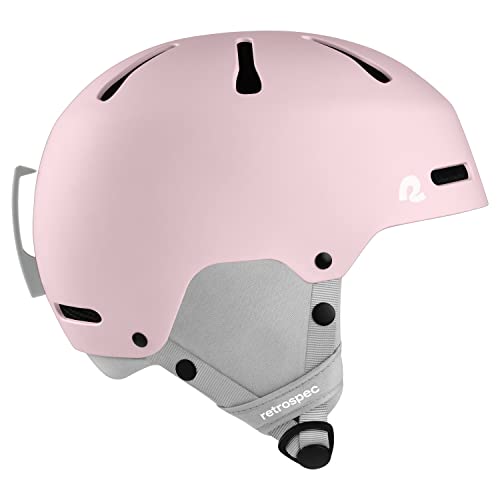
Retrospec 4800Retrospec Comstock Ski Helmet
Ties for lightest at 1 lb and fits the smallest heads, 48 to 51 cm.
- MIPS rotational protection
- —
- Weight
- 1.00 lb
- Fit adjustment system
- Dial
Choosing a junior race helmet comes down to a few specs. Look for a listed safety standard, low weight, a head range that matches your child, and a dial that lets the fit change as the child grows. MIPS adds rotational protection, and a goggle clip keeps gear in place. We put 5 products on one spec sheet so you can compare weight, head size, vents and fit systems. None of the listings mention race approval, so confirm your club's rules.
Quick answer
Ranked from 5 youth ski helmets that met our standard, compared on MIPS rotational protection, fit adjustment (dial vs. strap), shell material and weight.
As an Amazon Associate I earn from qualifying purchases. Links to retailers on this site are affiliate links; we may earn a commission at no extra cost to you.
Ties for lightest at 1 lb and fits the smallest heads, 48 to 51 cm.

The only helmet here that lists MIPS, with a dial and a 52 to 56 cm range.
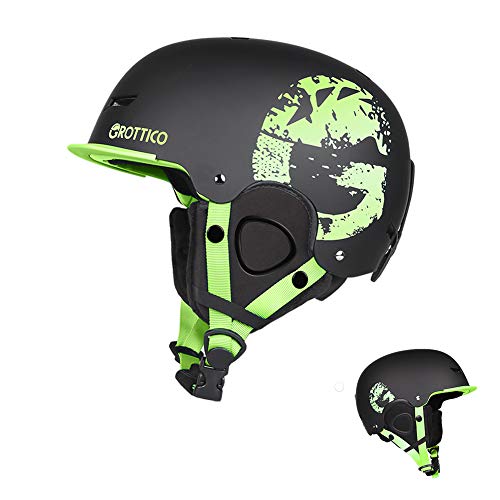
13 vents, the most among models that list them, at a weight of 1 lb.
| Spec | |||||
|---|---|---|---|---|---|
| Best Scoreout of 100 | 74 | 61 | 59 | 53 | 44 |
| MIPS rotational protection | — | Yes | — | — | — |
| Shell construction | ABS | In-mold polycarbonate (best in row) | ABS | Other | — |
| Weightlb | 1.00 lb (best in row) | — | 1.00 lb (best in row) | — | 1.65 lb |
| Min head circumferencecm | 48 cm (best in row) | 52 cm | 50 cm | 54 cm | 49 cm |
| Max head circumferencecm | 51 cm | 56 cm (best in row) | 54 cm | 56 cm (best in row) | 52 cm |
| Fit adjustment system | Dial | Dial | Dial | — | Dial |
| Number of vents | 10 | 12 | 13 (best in row) | 10 | — |
| Adjustable vents | — | — | — | — | — |
| Goggle clip or retainer | Yes | Yes | — | — | Yes |
| Removable washable liner | — | Yes | Yes | Yes | — |
| Removable ear pads | Yes | — | Yes | Yes | Yes |
| Goggles included | — | — | No | Yes (best in row) | Yes (best in row) |
| Warrantyyr | — | — | — | — | — |
We reviewed 11 youth ski helmets and kept only the 5 that pass every check below. Those are ranked by a Best Score built from spec fit for this job, sales rank.
These reviews are based on specifications and listing information only. Each spec is explained in terms of what it means for a young racer in gates.
Light dial-fit helmet for the smallest heads
The Retrospec Comstock ranks first on our spec sheet. It weighs 1 lb, tied with the GROTTICO as the lightest among the models that list weight. Less weight means less strain on a child's neck over a long training session, which matters when runs repeat all morning and the helmet stays on between them.
It fits 48 to 51 cm, the lowest minimum in the lineup, so it suits the youngest and smallest racers well. The range is narrow, though. A dial adjusts the fit, and the listing says the system lets you resize as the child grows. Measure the head first, because the top end stops at 51 cm and a tight band is no help.
The shell is ABS over EPS foam, with 10 vents and a rear goggle clip. Ear pads are removable, which helps with cleaning and warmth. The listing does not mention MIPS or any safety certification, and race approval is not stated. Check your club's rules before using it for gate training.
VerdictA light, small-fit helmet that leads our ranking, but confirm race rules before you rely on it.
The only MIPS helmet on the list
Rotational protection is the standout here. The OutdoorMaster is the only helmet in this lineup that lists MIPS, which is built to reduce twisting forces on the head in an angled fall. Gate training brings fast, angled falls, so this is a real point in its favor. It ranks second on our spec sheet.
The listing says it meets ASTM F2040, and the shell is in-mold polycarbonate over EPS foam. The maker does not publish a weight, so you cannot check it against the others. It fits 52 to 56 cm with a dial, and its 56 cm maximum ties with the Odoland for the largest in the lineup.
It has 12 vents, a goggle snap at the rear, and a removable liner you can wash. The listing does not say the ear pads come off. The 52 cm minimum means it is a poor fit for the youngest kids, so measure first. Race approval is not mentioned, so confirm it with your coach.
VerdictThe strongest safety feature on the list, best for older kids with heads of 52 cm or more.
Most vents and light weight in a dial-fit shell
The GROTTICO W-206 has 13 vents, the most among the models that list them, and it weighs 1 lb, tied for the lightest among the models that list weight. More vents move more air, which helps a hard-working racer stay dry between runs. It ranks third on our spec sheet.
It meets ASTM F2040 according to the listing, with a reinforced ABS shell and EPS core. The small size covers 50 to 54 cm and uses a dial. The listing also sells medium and large sizes, so pick the size by head measurement, not by age. Order the small size for a child. Check the 50 cm minimum against your child's head, since a smaller child may fall below it.
Both the liner and the ear pads are removable, and fixing straps hold goggles steady. Goggles are not included. The listing mentions neither MIPS nor race approval, so it is a general snow helmet more than a purpose-built race helmet.
VerdictA light, well-ventilated general helmet that suits training days more than a race-day purchase.
A helmet and goggles set with no dial listed
The Odoland comes as a helmet and goggles set, which is its main draw. It ranks fourth on our spec sheet. The listing says the helmet meets ASTM, CPSC and CE standards and uses in-mold construction. The goggles have an anti-fog coating and UV protection. For a family starting out, they save you a separate shopping trip.
Fit is the weak spot for a growing racer. It fits 54 to 56 cm, the highest minimum in the lineup, so it only suits larger heads. The listing mentions a soft chin band but no dial or other fit system, and the maker does not publish a weight. A narrow range leaves little room to grow.
The shell material is listed only as other. The helmet has 10 vents, a removable liner and removable ear pads, and comes with a carry bag. No goggle clip or MIPS is listed. For gate training, a dial-fit helmet with a stated weight is easier to size and compare.
VerdictA convenient set for larger heads, but a weak match for race training.
Dial-fit youth helmet with goggles, but heavier
The Giro Spur is a dial-fit helmet in an extra small size that fits 48.5 to 52 cm. It ranks fifth on our spec sheet. The In Form system pairs a dial with vertical tuning, which lets you adjust the fit as a head grows. The listing also describes a removable goggle retainer.
Weight is where it falls behind. At 1.65 lb it is the heaviest among the models that list weight, even though the listing calls the construction lightweight. The two others that list a weight each say 1 lb. That extra weight adds load to a small neck over a full day of training.
Matching goggles are included, with an anti-fog coating and double layer face foam. Ear pads come off. The listing says it uses the same technologies as Giro's adult helmets. It does not state a vent count, shell material or any safety certification. This listing is for size XS only, so check sizing for older kids.
VerdictA usable dial-fit set for young skiers, but it is the heaviest of the helmets that list weight.
Best among the reviewed tools
Look for a listed standard such as ASTM F2040, which two listings here name. Race programs may require specific approval, and none of these listings mention it. Ask your coach or club which certification they require before you buy any helmet for gate training.
Head circumference decides the size. The ranges here run from 48 cm to 56 cm, and each helmet covers only a few centimeters. Measure around the forehead, compare it to the listed range, and leave room for growth. A dial then fine-tunes the fit.
Light helmets are easier on a young neck during long training days. Only three of the five listings publish a weight, and they range from 1 lb to 1.65 lb. If a maker does not publish weight, you cannot compare it, so treat that as a gap.
MIPS is a layer meant to reduce rotational forces, and only the OutdoorMaster lists it. Vents range from 10 to 13 among the models that list them. A goggle clip or retainer keeps goggles from slipping, which matters at race speed.
Rules depend on your club, region and race level, so ask your coach. None of the five listings here mention race approval. The listings name ASTM F2040 for two helmets and ASTM, CPSC and CE for another. Confirm requirements before the season starts.
It should sit level on the forehead, feel snug without pressure points, and not move when the child shakes their head. Check the head circumference against the listed range, then use the dial to fine-tune. The Retrospec, OutdoorMaster, GROTTICO and Giro all list a dial.
MIPS adds a layer meant to reduce rotational forces in angled impacts. Among these five, only the OutdoorMaster lists it. It fits 52 to 56 cm, so it suits older kids. Other helmets may offer protection without it, so weigh MIPS alongside fit and certification.
Among the three listings that publish weight, the Retrospec Comstock and the GROTTICO W-206 are lightest at 1 lb each. The Giro Spur is 1.65 lb. The OutdoorMaster and Odoland do not publish a weight, so they cannot be compared.
Your own selection is kept in the link, so friends see the same side-by-side.

