#1
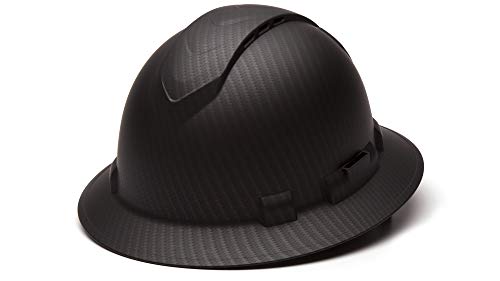
LIFT Safety HDF-24CWGLIFT Dax Fiber Resin Full Brim White Carbon
Class G, EN 397, 6-point ratchet and 350°F heat rating, but it is the heaviest at 2 lb.
- Electrical class
- Class G
- Suspension points
- 6 pts
- Weight
- 2.00 lb
Picking a hard hat starts with the label. Check the ANSI impact type and the electrical class for your trade, then look at weight, suspension points and the ratchet. A heavy hat tires your neck, and a loose fit defeats the shell. We put 16 products on one spec sheet so you can compare certification, shell material, brim style and heat rating side by side. Several makers leave specs unlisted, and we say so where it happens. Rankings come from specifications and listing information.
Quick answer
Ranked from 16 hard hats that met our standard, compared on ANSI type, electrical class, and weight.
As an Amazon Associate I earn from qualifying purchases. Links to retailers on this site are affiliate links; we may earn a commission at no extra cost to you.
Class G, EN 397, 6-point ratchet and 350°F heat rating, but it is the heaviest at 2 lb.

0.99 lb with Type 1, Class G and a 350°F radiant heat rating.

0.8125 lb Kevlar fiber glass shell with Class G; the impact type is not listed.
| Spec | ||||||||||
|---|---|---|---|---|---|---|---|---|---|---|
| Best Scoreout of 100 | 83 | 82 | 82 | 77 | 77 | 77 | 76 | 73 | 72 | 70 |
| ANSI impact type | Type 1 | Type 1 | — | Type 1 | Type 1 | Type 1 | Type 1 | Type 1 | Type 1 | Type 1 |
| Electrical class | Class G (best in row) | Class G (best in row) | Class G (best in row) | Class G (best in row) | — | Class G (best in row) | Class C | Class C | Class C | Class C |
| Shell material | Fiber-reinforced resin | Phenolic resin | Kevlar fiber glass | Phenolic resin | ABS | Fiber resin | ABS | HDPE (listing); ABS (maker spec) | Carbon fiber reinforced resin | HDPE |
| Brim style | Full brim (best in row) | Full brim (best in row) | Full brim (best in row) | Cap | Full brim (best in row) | Full brim (best in row) | Full brim (best in row) | Full brim (best in row) | Full brim (best in row) | Full brim (best in row) |
| Suspension pointspts | 6 pts (best in row) | — | 6 pts (best in row) | — | 4 pts | — | 4 pts | 6 pts (best in row) | 6 pts (best in row) | 6 pts (best in row) |
| Ratchet adjustment | Yes | Yes | Yes | Yes | Yes | Yes | Yes | Yes | Yes | Yes |
| Weightlb | 2.00 lb | 0.99 lb | 0.81 lb | 1.12 lb | 0.83 lb | 1.00 lb | 0.66 lb (best in row) | — | 1.00 lb | 1.65 lb |
| Vented shell | — | — | — | — | — | — | Yes | Yes | — | Yes |
| Radiant heat rating°F | 350 °F (best in row) | 350 °F (best in row) | — | 350 °F (best in row) | 140 °F | 350 °F (best in row) | — | — | 350 °F (best in row) | — |
| Accessory mounts | — | — | — | — | — | — | — | — | — | — |
| Headlamp included | — | — | — | — | — | — | — | — | — | — |
| Standards met | ANSI Z89.1-2014 Type 1 Class G; EN 397 | ANSI/ISEA Z89.1-2014 Type I, Class G | ANSI and OSHA compliant | ANSI/ISEA Z89.1-2014 Type I, Class G | ANSI Z89.1-2009 Type 1, Class C, G, E | ANSI Z89.1-2014, EN 397 | ANSI/ISEA Z89.1-2014, CSA Z94.1-2020 Class C | ANSI Z89.1 Type 1 Class C; OSHA approved | ANSI Z89.1-2014, EN 397 | ANSI Z89.1 Type 1 Class C; CE EN 166; ANSI Z87.1 |
We reviewed 19 hard hats and kept only the 16 that pass every check below. Those are ranked by a Best Score built from spec fit for this job, sales rank.
These reviews are based on specifications and listing information. Each covers certification, fit and weight for general job-site work.
Top-ranked hat with full certification and a heavy shell
This LIFT Dax leads our ranking. It meets ANSI Z89.1-2014 Type 1 Class G, so it covers top impact and limits exposure to low-voltage conductors. It also lists EN 397. For a buyer who wants one certified helmet for general job-site work, that paperwork is the first thing to check, and this hat has it.
Fit comes from a 6-point suspension with a ratchet dial. Six points spread the load around the head, and the ratchet lets you resize quickly. The shell is fiber-reinforced resin. The listing also names moisture-wicking EVA foam inserts meant to cut heat buildup. It carries a 350°F radiant heat rating, tied for the highest on the page.
The tradeoff is weight. That matters over a long shift on your neck. If you wear a hard hat all day, the extra mass is a real cost against lighter models in this lineup. Weigh that against the certification you get.
VerdictA well-certified, heat-rated hat that asks you to carry the most weight.
Lighter phenolic full brim built for hot industrial work
MSA's Skullgard full brim is a strong match for general use. It meets ANSI/ISEA Z89.1-2014 Type I and Class G, and the listing says SEI certified it through third-party testing. The shell is phenolic resin. Its radiant heat rating is 350°F, tied for the highest among the models that list it.
Comfort rests on the Fas-Trac III suspension. It works as a ratchet system, with flush rear lug attachments to avoid pressure points and three levels of nape strap adjustment. The maker does not publish a suspension point count here, so you cannot compare it point for point with the six-point hats. At 0.99 lb it weighs less than the Dax above and the MSA cap.
The listing names steel mills, welding, construction, open-pit mining and refineries as uses. That range makes it a fair pick for mixed work. A full brim also shades the face and neck. A chinstrap is not mentioned in the data, so check that if you work at height.
VerdictA light, heat-rated full brim that fits general industrial work well.
Light fiberglass full brim, but impact type is not listed
AFP's HHA4754 ranks third. The key gap is the ANSI impact type, which is missing from the data. That is the spec most buyers check first. A Type 1 rating covers top impact, so confirm the helmet label before you buy. It does list Class G and says it is ANSI and OSHA compliant.
Weight is the strength. At 0.8125 lb, it is lighter than the Dax and both MSA hats. The shell is Kevlar fiber glass, and the listing says dielectric protection reaches 2,200 volts. A 6-point suspension with an oversized ratchet dial is built for adjustment while wearing gloves. A washable sweatband keeps sweat off the face.
No radiant heat rating is listed, so confirm it before hot work like welding or steam areas. Certification is stated as ANSI and OSHA compliant, with no standard year or EN listing. For general construction with electrical exposure, it fits. For specific compliance paperwork, it gives you less to go on.
VerdictA light, electrically rated hat held back by missing impact and heat data.
Cap-style MSA with the same ratings and no brim
This is the cap version of the Skullgard, and it ranks fourth. It carries the same ANSI/ISEA Z89.1-2014 Type I, Class G listing as the full brim MSA. The shell is phenolic resin with a 350°F radiant heat rating. Cap style means no brim all around, which can help in tight spaces where a wide brim catches.
The Fas-Trac III suspension is the same ratchet design. Flush rear lug attachments are meant to remove pressure points. The maker does not publish a suspension point count in the data. At 1.12 lb, it is heavier than the full brim MSA at 0.99 lb, which is a little unexpected for a hat with less shell.
Pick this one if site rules call for a cap and not a brim. You give up the sun and rain cover a full brim offers, and the listing gives no vent or chinstrap details. Third-party testing by SEI is stated, which supports the certification claim.
VerdictA capable cap-style hat that weighs more than its full brim sibling.
Light ABS hat with wide electrical coverage, older standard
Ridgeline's HP54117 ranks fifth. Its listing cites ANSI Z89.1-2009 Type 1, with Class C, G and E. That is the broadest electrical coverage of the five reviewed here, since Class E is meant for higher voltage work. The standard year is 2009, though, older than the 2014 editions on the Dax and MSA hats.
The shell is ABS and the hat weighs 0.83 lb, so it is light. Its 4-point suspension has a ratchet, and the listing says it can convert to a 6-point system with a separate part. Fewer points mean the load sits on fewer contact areas, so check the fit on your head.
Heat is the weak point. The radiant heat rating is 140°F, the lowest of the eight models that list one. The listing also gives protection down to -22°F. For cold work or general construction it can do the job. For welding, foundry or steam areas, look at the 350°F hats.
VerdictA light, electrically versatile hat that falls short on heat and standard year.
Best among the reviewed tools
Type 1 covers impact to the top of the head. Check the label for the standard your site requires. Some listings leave the type out, so confirm it before you buy. Also check the year of the standard, since newer editions replace older ones.
Class G is for general use and Class E is for higher voltage work. Class C offers no electrical protection. Look for the class your trade needs, and do not assume a hat has it unless the listing states it.
Weight adds up over a shift. Among the 14 products that list it, weight runs from 0.66 lb to 2 lb. Six points spread load over more contact areas than four. Pick a hat with a ratchet you can turn with gloves on.
A full brim shades the face and neck. A cap style stays out of the way in tight spaces. Vented shells let air through. For hot work like welding, check the radiant heat rating. Among the eight models that list one, 350°F is the highest.
Type 1 covers impact to the top of the head, and most hats in this comparison list it. Your employer or site rules decide whether you need more. If a listing does not state the type, check the helmet label before you buy.
Class G hats are tested for general electrical use. Class C hats offer no electrical protection and can conduct. Class E is for higher voltage. Choose the class your work needs, not the one that looks best on paper.
A full brim shades your face and neck from sun and rain. A cap is more compact and can fit tight spaces. Both can meet the same ANSI type and class, as the two MSA Skullgard models show. Pick the style that suits your site.
Lighter is easier on your neck. In this comparison, listed weights run from 0.66 lb to 2 lb. Weight alone is not the whole story, because fit and certification matter too. Pick the lightest hat that meets your ANSI type and electrical class.
Your own selection is kept in the link, so friends see the same side-by-side.